
SOLPERK Solar Panel Kit 20W
4.5Editor score
Includes charge controller
Adjustable mounting bracket
Waterproof durable build
This guide compares the top 10 marine solar panels for 2026, evaluating efficiency, durability, and features to help boaters choose the right solar solution
Marine solar panels provide essential power for boaters seeking independence from shore power and generators. Choosing the right system ensures reliable energy for navigation, electronics, and comfort during extended trips on the water.
We evaluated ten leading marine solar products based on efficiency, build quality, and suitability for harsh saltwater environments. Our comparison focuses on rigid, flexible, and portable options ranging from trickle chargers to high-output arrays.
Each pick highlights key strengths and ideal use cases to help you find the perfect fit for your boat size and power needs. Remember that prices and availability can change, so check current listings before purchasing.
4.5Editor score

4.8Editor score
4.6Editor score
The following table provides a side-by-side overview of all ten selected marine solar panels. It highlights key specifications and features to help you quickly identify the model that best suits your specific boating requirements and power consumption needs.


The Callsun 16BB 400W bifacial panel stands out as the top choice for serious boaters needing reliable high capacity power. With a stellar 4.8 rating, this system delivers exceptional efficiency through advanced N-type cells and dual-sided energy capture.
We may earn a commission when you buy through this link, at no additional cost to you.
Its bifacial design allows sunlight absorption from both front and rear surfaces, boosting total output especially when mounted on reflective boat surfaces. The twin cell anti-shading technology ensures continuous power generation even if part of the panel is obstructed by masts or rigging.
While the physical footprint is substantial, the high power density justifies the space requirement for offshore cruisers. The IP68 junction box and tempered glass construction ensure longevity in harsh marine environments without compromising performance over time.
This panel is ideal for boat owners seeking maximum energy independence during extended voyages. Investing in this robust system ensures your vessel remains powered through varied weather conditions and shaded areas effectively.
The transparent backsheet captures reflected light from the hull, significantly increasing daily energy harvest compared to traditional monofacial panels.
Dual-module parallel design allows unaffected sections to keep generating power when shade hits part of the array.
We may earn a commission when you buy through this link, at no additional cost to you.
The SOLPERK 20W kit offers an accessible entry point for boaters wanting basic battery maintenance without complex wiring. Rated 4.5 stars, it provides a straightforward solution for keeping small batteries topped off during storage or short trips.
We may earn a commission when you buy through this link, at no additional cost to you.
Included components like the 8A controller and adjustable bracket make installation simple for users with limited technical experience. The monocrystalline cells ensure decent efficiency, while the tempered glass surface resists corrosion and weather damage effectively.
Though not designed for high consumption appliances, it reliably prevents battery drain in docked vessels. The budget-friendly price makes it an attractive option for weekend sailors who need reliable trickle charging.
Choose this kit for small boats or as a secondary maintenance panel. It delivers essential protection against battery failure without requiring a large financial investment.
All necessary cables, clips, and brackets are included, eliminating the need to source separate mounting accessories.
Designed to withstand harsh conditions including strong winds and heavy snow loads up to 5400Pa.
We may earn a commission when you buy through this link, at no additional cost to you.
The SUNER POWER 20W kit distinguishes itself with integrated Ultra-Smart MPPT technology, offering superior charge management compared to standard controllers. Boasting a 4.4 rating, it optimizes energy harvesting to ensure efficient battery replenishment in limited sunlight.
We may earn a commission when you buy through this link, at no additional cost to you.
The three-stage charging algorithm manages bulk absorption and float phases automatically, extending battery lifespan. Visual indicators provide clear feedback on charging status, while safety features protect against reverse polarity and overheating risks effectively.
Its compact design suits small boats needing reliable trickle charging without constant monitoring. The ability to switch between AGM and lithium modes adds versatility for modern battery configurations used on many vessels.
Ideal for sailors prioritizing battery health and intelligent charging logic. This kit provides peace of mind through automated protection and efficient power management.
Tracking efficiency up to 99% ensures maximum power is drawn from the panel under varying conditions.
Built-in protections prevent overcharging and short circuits, keeping your electrical system safe.
We may earn a commission when you buy through this link, at no additional cost to you.
Renogy delivers consistent quality with this 100W N-type panel, achieving a strong 4.7 rating for efficiency and durability. It offers a balanced combination of power output and cost, suitable for medium-sized boats needing supplemental energy.
We may earn a commission when you buy through this link, at no additional cost to you.
The 25% conversion efficiency ensures robust power generation even in less ideal lighting. Its low temperature coefficient minimizes power loss during hot summer days on the water, maintaining stable performance when heat is a concern.
Construction features IP67 protection and corrosion-resistant framing to withstand marine elements. The long-term warranty and low degradation rates provide confidence in its lifespan for years of reliable use.
Choose this panel for a reliable balance of performance and value. It is a versatile choice for vessels needing moderate power for electronics and lighting.
Low temperature coefficient ensures consistent energy generation even when surface temperatures rise significantly.
IP67 rating protects against water and dust ingress ensuring longevity in wet environments.
We may earn a commission when you buy through this link, at no additional cost to you.
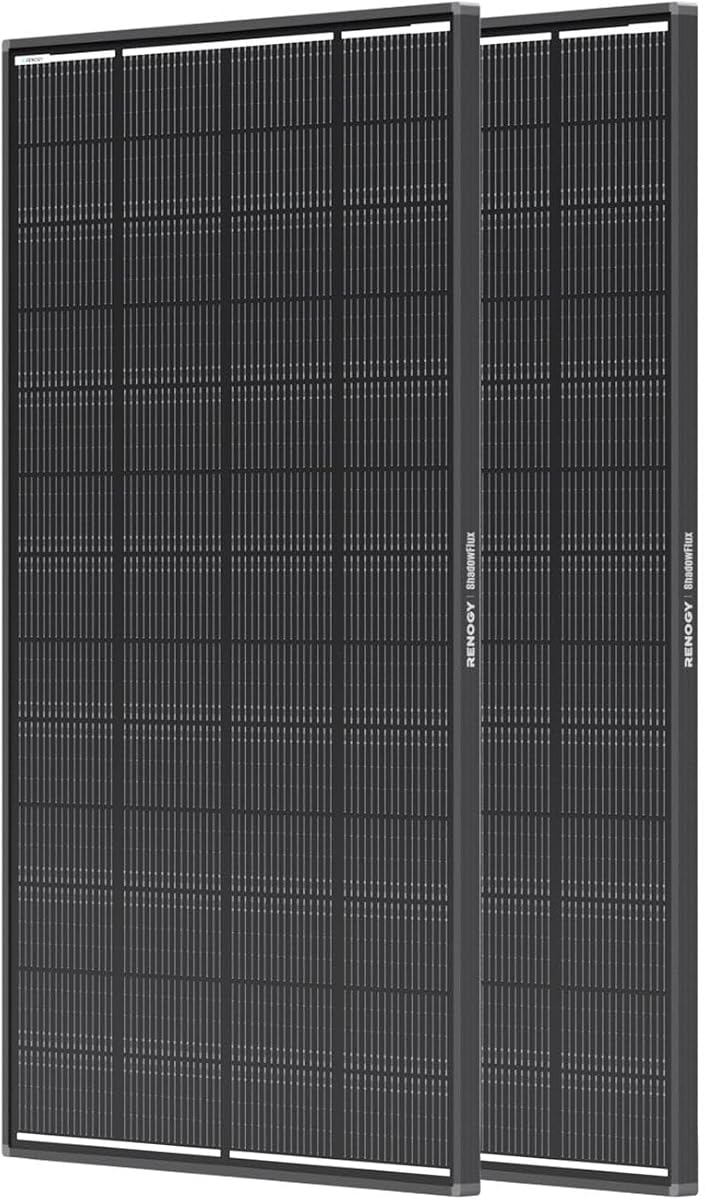
This 200W panel features ShadowFlux technology to mitigate power loss from obstacles common on boats like masts. With a 4.5 rating, it ensures consistent output even in partial shade, which is vital for vessels with complex structures.
We may earn a commission when you buy through this link, at no additional cost to you.
The high efficiency cells deliver robust power in a compact frame. Its lightweight design simplifies handling and installation compared to heavier traditional panels. The IP67 rating ensures protection against rain and environmental exposure over time.
While the price point is higher, the reliability gained through anti-shading tech justifies the expense. It offers peace of mind for sailors in varied climates where shade is unpredictable.
Ideal for boats with obstructions or limited unshaded roof space. This panel provides dependable energy generation without significant output drops.
Reduces hot-spot risks and maintains power output even when parts of the panel are shaded.
10% more compact than standard panels allowing better placement on crowded boat roofs.
We may earn a commission when you buy through this link, at no additional cost to you.
Ideal for boats lacking flat mounting space, this flexible panel bends up to 240 degrees. Rated 4.5 stars, it offers a practical solution for installing on curved roofs or hulls where rigid panels cannot fit securely.
We may earn a commission when you buy through this link, at no additional cost to you.
Its lightweight design simplifies transport and handling. The half-cut PERC cells provide reliable power generation while maintaining flexibility. The IP67 junction box ensures water resistance crucial for marine environments.
While it lacks the structural rigidity of glass panels, it delivers sufficient power for most onboard needs. The ease of installation without drilling makes it attractive for DIY upgrades.
Choose this for curved decks or temporary setups requiring quick mounting. It provides substantial power where rigid options fall short.
Bendable design allows seamless integration on curved surfaces like cabin roofs or hulls.
Weighs half as much as rigid panels reducing stress on lighter boat structures.
We may earn a commission when you buy through this link, at no additional cost to you.
The Renogy 120W panel combines high efficiency with anti-shading tech in a compact frame. Rated 4.5 stars, it is suitable for smaller vessels needing reliable power without the bulk of larger arrays.
We may earn a commission when you buy through this link, at no additional cost to you.
ShadowFlux technology ensures stable output even when partially shaded. The 25% cell efficiency maximizes energy harvest per square foot. Its durable construction withstands harsh weather conditions and environmental exposure effectively.
The lightweight design simplifies handling and installation on smaller decks. While costs are moderate, the reliability and performance justify the investment for long-term energy needs.
Best for boats seeking a balance of power and space efficiency. It provides consistent energy for essential electronics and lighting.
10% smaller footprint than standard panels offers greater flexibility in placement options.
Backed by 25-year output warranty ensuring long-term performance and peace of mind.
We may earn a commission when you buy through this link, at no additional cost to you.
For boats demanding maximum solar capacity, this 400W panel delivers exceptional power in a streamlined design. With a 4.6 rating, it supports high-consumption appliances and extended off-grid living through efficient energy capture.
We may earn a commission when you buy through this link, at no additional cost to you.
Advanced anti-shading technology minimizes losses from rigging or structures. The compact footprint allows significant power generation without requiring excessive deck space. Its robust construction ensures reliability in all weather conditions.
While the cost is higher, the performance and warranty coverage provide excellent value. It eliminates the need for multiple smaller panels simplifying the installation process.
Best for larger vessels with ample roof space needing high energy autonomy. It ensures reliable power for all onboard systems effectively.
400W total power enables efficient charging of high-capacity batteries and large appliances.
7% smaller footprint allows more efficient use of limited roof area.
We may earn a commission when you buy through this link, at no additional cost to you.
The SUNER POWER 50W kit offers versatile charging modes for various battery types including AGM and lithium. With a 4.4 rating, it provides reliable maintenance for boats using different battery technologies.
We may earn a commission when you buy through this link, at no additional cost to you.
Visual indicators clearly display charging status allowing easy monitoring. The MPPT controller optimizes power input to ensure efficient charging cycles. Its waterproof design ensures durability in wet marine environments.
While power output is moderate, it serves well for keeping systems charged during storage. The automatic resume feature ensures no manual intervention is required.
Ideal for diverse vessel types needing compatible charging solutions. It simplifies battery management with smart features and protection.
Switch between AGM and lithium modes to match your specific battery chemistry.
Charge level indicators provide clear feedback on battery state of charge.
We may earn a commission when you buy through this link, at no additional cost to you.
The POWOXI 7.5W charger serves as a basic trickle solution for small boats needing occasional maintenance. With a 4.4 rating, it ensures battery health during long periods of inactivity without complex wiring.
We may earn a commission when you buy through this link, at no additional cost to you.
Its small size makes it easy to store and deploy. The internal protection system prevents overcharging and short circuits. The LED indicator provides instant visual confirmation of charging status.
This device is strictly for preventing battery drain not powering accessories. It is affordable and effective for preserving lead-acid or lithium batteries on docked vessels.
Best for basic prevention of sulfation and drain. It ensures your battery starts reliably after storage periods.
Plug directly into cigarette lighter or connect alligator clips for quick setup.
Built-in blocking diode and short circuit protection ensure safe operation.
We may earn a commission when you buy through this link, at no additional cost to you.
Selecting the right marine solar panel involves understanding your power needs, available space, and environmental conditions.
Higher wattage and efficiency ratings mean more electricity generated in less space. Look for modern N-type or PERC cells that maximize energy conversion.
Prioritize panels with high conversion efficiency to ensure reliable power even in partial cloud cover.
Marine environments are harsh so choose panels with IP67 or IP68 ratings to protect against water and dust.
Ensure the frame is corrosion-resistant and the glass is tempered to withstand wind and salt spray.
Consider whether your boat has flat or curved surfaces. Flexible panels work on curved roofs while rigid ones need flat space.
Check if mounting brackets are included or if you need to purchase them separately.
Boats often have masts and rigging that cast shadows. Look for technologies like bypass diodes or anti-shading features.
Shade-resistant panels ensure you still get power even if part of the array is blocked.
Ensure the charge controller supports your specific battery type like AGM, Gel, or Lithium.
A smart MPPT controller can significantly improve charging efficiency compared to standard models.
Check for long-term warranties covering material defects and power output degradation over time.
Choose reputable brands with accessible customer support for troubleshooting.
Balance the upfront cost with long-term performance. Higher quality panels often save money by lasting longer.
Budget kits are fine for maintenance but may lack durability for heavy marine use.
Plan for future growth by choosing panels that can easily be connected in series or parallel.
Ensure your controller and wiring can handle additional panels if you expand your array later.
Position your panels to face true south (in the northern hemisphere) or north (in the southern hemisphere) for maximum sunlight exposure.
Clean panels regularly with fresh water and a soft cloth to remove salt and dirt that can block sunlight.
Inspect wiring and connectors every season to ensure there is no corrosion or fraying that could compromise safety.
Rigid panels are generally more durable and efficient for long-term use on flat surfaces. Flexible panels are lighter and work well on curved roofs but may degrade faster over time.
Yes, a charge controller is essential to regulate voltage and prevent overcharging. MPPT controllers are more efficient especially for higher wattage panels.
Under ideal sunlight, a 100W panel can produce around 100 watt-hours per hour. However, real-world output varies based on angle and weather.
For small loads like lights and GPS yes. Larger systems like propulsion require massive arrays and storage batteries beyond typical setups.
Clean them at least monthly or whenever you notice visible salt buildup to ensure optimal performance.
Monocrystalline panels are more efficient and perform better in low light. Polycrystalline panels are cheaper but less efficient and slightly larger.
We reviewed ten top options ranging from budget-friendly trickle chargers to high-output 400W systems. The Callsun Bifacial panel stands out for total power while the Renogy flexible option suits curved decks.
Prioritize durability and compatibility with your battery type when selecting a system. High efficiency N-type panels often provide the best return on investment over time.
Check current listings for pricing updates as availability changes frequently. Choose the panel that best fits your specific boating style and power goals.