
Zigbee Human Presence Sensor Millimeter Wave
4.0Editor score
Works with Zigbee hubs
Detects stationary persons
Long battery life
Compare the top 10 Home Assistant Human Presence Sensor models to find the best mmWave radar device for accurate detection and automation in your smart home.
Finding the right Home Assistant Human Presence Sensor is crucial for automating lights and devices based on occupancy. Traditional motion sensors often fail when you are still, but modern radar technology solves this issue effectively.
We compared ten leading models using detailed specifications, user ratings, and integration capabilities. Each product was evaluated on detection range, connectivity options, and ease of setup within the Home Assistant ecosystem.
Each pick below highlights key features, pros, cons, and ideal use cases. Please note that prices and availability may change frequently, so check the current links before making your final purchase decision.
4.0Editor score

4.4Editor score

3.6Editor score
This side-by-side comparison highlights the core specifications and unique features of each model to help you decide which device fits your home automation needs best.


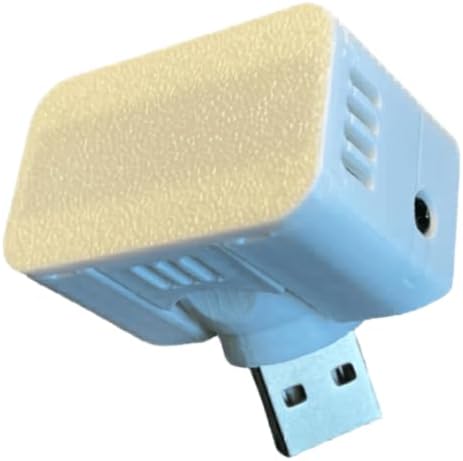


The Akamatis Litos v3 stands out as a top choice for Home Assistant users needing reliable presence detection. With a rating of 4.4 stars, it offers mmWave radar that detects stationary objects up to 20 feet away.
We may earn a commission when you buy through this link, at no additional cost to you.
Its standout feature is the integrated VEML7700 ambient light sensor, which allows for smarter automations like turning lights on only when someone is present and the room is dark. The 3D-printed front panel ensures light passes through accurately.
While it requires a Home Assistant setup and USB power, the pre-flashed ESPHome firmware makes integration straightforward without manual flashing. The external antenna ensures stable connectivity even in larger rooms.
This sensor is ideal for DIY smart home enthusiasts who value precision and local control. It balances advanced radar technology with practical features for lighting automation in living rooms or bedrooms.
The built-in light sensor matches human eye sensitivity for accurate ambient light readings used in automation rules.
Pre-flashed firmware means you can connect to the hotspot and enter Wi-Fi credentials without additional configuration steps.
We may earn a commission when you buy through this link, at no additional cost to you.
The AKAMATIS Human Presence Sensor v2.2 is a solid option for users who prioritize Wi-Fi connectivity and simplicity. It uses the HLK-LD2410B radar module to detect both moving and stationary objects accurately indoors.
We may earn a commission when you buy through this link, at no additional cost to you.
Designed exclusively for Home Assistant, this sensor comes pre-flashed with ESPHome firmware, allowing for quick setup by connecting to the device hotspot. The external antenna improves Wi-Fi stability compared to internal antennas.
While it lacks an ambient light sensor, its compact design and USB-C power make it easy to place anywhere without battery worries. The FCC certification ensures reliable operation compliant with regulations.
This model is best suited for those already invested in the Home Assistant ecosystem who want a straightforward, reliable presence detector without needing extra configuration steps or battery replacements.
The pre-flashed firmware eliminates manual configuration, letting you connect via hotspot and enter Wi-Fi credentials immediately.
Using FCC-certified components like the HLK-LD2410B and Seeed C3 ensures consistent performance and compliance.
We may earn a commission when you buy through this link, at no additional cost to you.
For budget-conscious buyers, this Zigbee Human Presence Sensor offers excellent value with reliable 24GHz radar detection. It detects stationary persons up to 20 feet away, solving common motion sensor issues where lights turn off prematurely.
We may earn a commission when you buy through this link, at no additional cost to you.
The sensor is compatible with various Zigbee hubs including SmartThings, Hubitat, and Echo devices. It runs on two AAA batteries for up to two years, making it convenient for placement without wiring constraints.
While it requires a Zigbee hub which adds cost, the low device price and ease of integration make it a strong entry point for presence automation in multiple rooms throughout your home.
This model is ideal for those seeking an affordable way to automate lighting in living areas or bedrooms without the complexity of Wi-Fi configuration or frequent battery changes.
Works seamlessly with major Zigbee hubs like SmartThings, Hubitat, and Echo devices for flexible ecosystem integration.
Powered by two AAA batteries that last up to two years in typical usage, reducing maintenance needs.
We may earn a commission when you buy through this link, at no additional cost to you.
The Aqara Presence Sensor FP300 is a premium all-in-one device that combines 60GHz mmWave radar with environmental sensors for comprehensive home automation. It supports Matter over Thread for future-proof connectivity across ecosystems.
We may earn a commission when you buy through this link, at no additional cost to you.
Its adaptive AI learning optimizes sensitivity to reduce false triggers, ensuring lights stay on even when you are lounging. The inclusion of light, temperature, and humidity sensors allows for complex climate and lighting automations in one unit.
Although it requires a Thread border router for Matter features, its flexibility and multi-functionality justify the cost for advanced users. The wire-free design and long battery life make it easy to relocate for optimal coverage.
This sensor is perfect for those building a high-end smart home that values Matter compatibility, environmental monitoring, and reliable presence detection without wiring constraints.
Supports Matter protocol for seamless integration across major ecosystems with low latency and offline control.
Combines mmWave radar, PIR, light, temperature, and humidity sensors into one compact device for diverse automation triggers.
We may earn a commission when you buy through this link, at no additional cost to you.
The SONOFF SNZB-06P24 stands out with its 7-Zone detection capability, allowing detailed customization of coverage areas. This feature helps ignore unwanted zones like corridors while focusing on key areas like sofas or desks.
We may earn a commission when you buy through this link, at no additional cost to you.
Its self-learning calibration filters out interference from appliances or airflow, improving stability and reducing false triggers over time. The ambient light sensor enables context-aware automations based on real-time brightness conditions.
Powered via USB-C, it ensures continuous operation without battery maintenance. It works with multiple Zigbee ecosystems including Home Assistant and SmartThings, offering flexibility in smart home setups.
This sensor is ideal for users who need precise zone management and calibration features to handle complex room layouts with minimal false alarms.
Customize detection areas to ignore corridors or windows while focusing on key zones for targeted automation.
The sensor learns your environment to filter repetitive interference from appliances or airflow for stable performance.
We may earn a commission when you buy through this link, at no additional cost to you.
The SONOFF SNZB-06P offers reliable presence detection using 5.8GHz cmWave radar with built-in light sensing. It supports Zigbee 3.0 hubs including SONOFF ZB Bridge Pro and Echo Plus for broad compatibility.
We may earn a commission when you buy through this link, at no additional cost to you.
A key strength is local scene linkage, allowing devices to interact even without internet connection. This ensures critical automations remain functional during network outages for better reliability.
The sensor is easy to install and compatible with major platforms like Alexa and Google Home. While it requires a Zigbee bridge, the stable signal and local execution make it a practical choice for routine automation.
This model suits users prioritizing local control and basic presence detection across compatible Zigbee ecosystems without relying on cloud services.
Scene linkage between Zigbee devices executes normally even without an internet connection for offline reliability.
Compatible with major Zigbee hubs ensuring stable connectivity and broad integration across smart home platforms.
We may earn a commission when you buy through this link, at no additional cost to you.
This compact Zigbee presence sensor integrates temperature, humidity, and light sensors into a small 40mm package. It uses 24GHz mmWave radar for precise detection and offers low latency for fast automation responses.
We may earn a commission when you buy through this link, at no additional cost to you.
The magnetic base and included 3M tape make mounting versatile on refrigerators, metal surfaces, or walls. Powered by a CR2450 battery, it remains wireless and easy to relocate as needed.
Full compatibility with Home Assistant via Zigbee ensures seamless local control. While basic in appearance, its comprehensive data delivery makes it valuable for environmental and lighting automation in tight spaces.
Ideal for users needing a discreet multi-sensor solution that combines presence detection with environmental monitoring in a portable design.
Combines temperature, humidity, and illumination sensors for complete environmental data using just one device.
Integrated magnetic base and 3M tape allow quick attachment to metal surfaces or walls without tools.
We may earn a commission when you buy through this link, at no additional cost to you.
The Akamatis v1.3 is a high-rated Wi-Fi presence sensor that integrates smoothly with Home Assistant using pre-configured ESPHome firmware. It detects both moving and stationary objects accurately using mmWave radar.
We may earn a commission when you buy through this link, at no additional cost to you.
Its plug-and-play design allows quick hotspot connection without manual flashing. The two-axis USB-A connector enables flexible positioning for optimal coverage in different room layouts.
While limited to Home Assistant users, the reliable performance and simplicity make it a strong choice for those who prefer Wi-Fi over Zigbee. No batteries are needed since it runs on USB power.
This model is recommended for Home Assistant enthusiasts who want straightforward setup and consistent detection without hub dependencies.
Pre-flashed firmware means you can connect via hotspot and enter Wi-Fi credentials for instant setup.
The two-axis USB-A connector lets you adjust the sensor angle to face the desired detection area.
We may earn a commission when you buy through this link, at no additional cost to you.
The WenzhiIoT Smart Motion Sensor offers granular control over sensitivity and detection ranges with settings adjustable from 1 to 9. It supports ZigBee2mqtt with configurable data reporting intervals to reduce network noise.
We may earn a commission when you buy through this link, at no additional cost to you.
Designed for the Tuya ecosystem, it works with Smart Life app for scene linkage based on luminance. The USB-Type-C power ensures continuous operation without battery changes.
While it depends on a Tuya ZigBee gateway, the customization options make it useful for advanced users seeking tailored automation triggers. The data reporting interval feature optimizes Zigbee network efficiency.
This sensor is ideal for Tuya users who need detailed configuration control and network efficiency in their smart home setup.
Set sensitivity from 1 to 9 and adjustable detection ranges to match your specific space needs perfectly.
Supports setting data reporting intervals to reduce network noise while maintaining real-time synchronization.
We may earn a commission when you buy through this link, at no additional cost to you.
The meross Presence Sensor MS600 supports Matter over Wi-Fi for seamless integration with major platforms including HomeKit and Home Assistant. It uses combined radar and PIR technology to detect users even when stationary.
We may earn a commission when you buy through this link, at no additional cost to you.
Its wide 180-degree pivoting and 360-degree rotating base allows flexible placement to cover large spaces up to 12 meters. A pet-proof shield prevents false triggers from animals or vacuums.
While it requires continuous power via a cord, the elimination of hub dependencies for most ecosystems simplifies setup. Matter features offer enhanced privacy and offline control when supported.
This model is best for users seeking Matter compatibility and wide coverage without needing multiple hubs, provided wiring is feasible.
Integrates with multiple platforms through Matter framework for lower latency and offline control.
A shield is included to prevent pets or robot vacuums from triggering the sensor unnecessarily.
We may earn a commission when you buy through this link, at no additional cost to you.
Selecting the right presence sensor involves evaluating connectivity, detection technology, and power options to fit your specific automation needs.
The communication protocol determines how the sensor connects to your hub. Wi-Fi sensors connect directly to your network but may cause congestion if you have many devices. Zigbee and Thread sensors connect through a central hub which reduces network traffic and battery usage. Matter devices offer future-proof compatibility across ecosystems but require Thread border routers. Choosing the right protocol depends on your existing smart home setup and hub availability.
Prioritize Zigbee or Thread for large networks to avoid Wi-Fi congestion and ensure stable connectivity.
mmWave radar is superior to PIR for detecting stationary users because it senses micro-movements like breathing. 24GHz mmWave offers good range and penetration, while 60GHz provides higher precision for closer detection. cmWave sensors operate at 5.8GHz and are effective for basic presence detection. Ensure the sensor supports stationary detection to prevent lights from turning off while you are reading or sleeping.
Look for mmWave technology to ensure reliable detection when the user is not moving.
Range indicates how far the sensor can detect presence effectively with most models covering up to 6 meters. Field of view determines the width of coverage from narrow to wide angles. Consider the room size and layout to ensure the sensor covers the necessary areas without blind spots. Adjustable sensitivity helps tune the range to avoid false positives in high-traffic zones.
Choose a sensor with adjustable sensitivity and a wide field of view for larger rooms.
Power sources vary between battery-operated units requiring periodic replacements and wired units needing a continuous power supply. USB-C or USB-A powered sensors eliminate battery changes but require outlet access. Battery life depends on protocol usage with Zigbee generally lasting longer than Wi-Fi. Ensure the installation location has accessible power or enough battery life for your needs.
USB-powered sensors reduce maintenance but require an outlet; batteries offer placement flexibility.
Many presence sensors include additional sensors for light, temperature, and humidity. An ambient light sensor allows context-aware automations like adjusting brightness based on natural light. Temperature and humidity sensors add value for climate control automations. If you want to reduce device clutter, a multi-sensor unit can replace multiple dedicated devices.
Opt for a sensor with an integrated light sensor for better lighting automation control.
Ensure the sensor works with your preferred smart home platform such as Home Assistant, SmartThings, or Alexa. Some devices are exclusive to certain ecosystems which limits future expansion. Home Assistant users should verify support for local control and community integration. Compatibility with Matter ensures broader interoperability across different vendors.
Check for local integration support to ensure your automations work even if the cloud goes down.
Advanced customization like zone detection or sensitivity tuning improves accuracy in complex environments. Self-learning calibration helps the sensor adapt to interference over time reducing false triggers. Delay settings allow you to define how long the sensor keeps devices on after you leave. Look for features that match your specific room layout and usage patterns.
Prioritize models with configurable zones or calibration for complex room layouts.
Physical design impacts both aesthetics and placement flexibility. Some sensors come with magnetic bases or adjustable mounts for versatile positioning. Wireless designs allow placement without drilling holes while wired sensors may offer stability. A compact and neutral design blends better into living spaces. Consider the size and weight if mounting on a wall or ceiling.
Choose a compact design with flexible mounting options for discreet placement.
Begin by connecting the sensor to your network hub or Wi-Fi using the provided setup instructions. For Zigbee devices, pair with your hub via the integration menu. For Wi-Fi models, connect to the device hotspot and enter your network credentials through the companion app or Home Assistant.
Once connected, configure the automation rules in your smart home dashboard. Set light triggers to activate when presence is detected and deactivate after a specified delay. Adjust sensitivity and detection zones to match your room layout and avoid false positives from moving objects.
Maintain the sensor by cleaning the front panel with a soft dry cloth to remove dust and dirt that could affect readings. Check battery levels regularly for wireless models and replace as needed. Ensure the sensor placement remains unobstructed for consistent performance and accurate detection over time.
mmWave radar sensors detect human presence by sensing micro-movements like breathing even when stationary. PIR sensors detect heat movement and typically fail when a person is still. mmWave is more accurate for automation that requires lights to stay on while you are sitting or reading.
Many local protocols like Zigbee and Thread allow automations to run without internet. Home Assistant supports local control so scenes trigger even when offline. Wi-Fi sensors often require network connectivity for cloud integration but can work locally depending on firmware settings.
Battery life varies by usage and protocol efficiency but typically ranges from one to two years. Sensors using Zigbee consume less power than Wi-Fi models so they last longer. Factors like frequency of detection and ambient light influence the overall battery lifespan.
These sensors indicate presence or absence rather than counting specific people. They are designed to determine if someone is in the room rather than how many people are present. Counting multiple occupants usually requires additional camera-based technology or advanced radar configurations.
Zigbee sensors require a hub that supports the Zigbee 3.0 protocol. Many smart speakers like Echo Plus have built-in Zigbee hubs. If your setup lacks one, you must add a compatible Zigbee bridge or dongle to communicate with the sensors.
Use sensors with adjustable sensitivity or pet-proof shields to ignore movement below a certain height. Position the sensor higher on a wall or ceiling so pets stay out of the main detection zone. Some models offer zone configuration to exclude floor-level areas.
Not all sensors require Home Assistant but some models are designed exclusively for it. Many others support Zigbee or Matter allowing integration with multiple ecosystems like SmartThings or Apple Home. Check the product specifications for platform compatibility before purchasing.
This issue can be resolved by adjusting sensitivity settings or checking the detection zone. Ensure the sensor has self-learning calibration or micro-movement detection capabilities. Re-calibrating the sensor after installation often improves its ability to detect still users accurately.
We reviewed ten top models ranging from budget-friendly Zigbee options to premium Matter-enabled devices. The Akamatis Litos v3 leads with integrated light sensing while the Zigbee Human Presence Sensor offers the best value for simple setups.
Prioritize connectivity protocols that match your existing smart home ecosystem to avoid compatibility issues. Consider power options and environmental sensors based on how detailed you want your automation rules to be.
Prices and availability change frequently so always check the current listings before purchasing. Choosing the right sensor ensures your lights respond accurately to your presence without annoying false triggers.