
MT-92H Light Meter
4.6Editor score
Split sensor design
Lux and Foot Candles toggle
Bright switchable backlight
This guide compares the best analog light meter options for photographers and cinematographers seeking reliable battery-free exposure tools and precise ambient
Choosing the right exposure tool is crucial for professional photography and cinematography. An analog light meter offers a timeless, reliable way to measure light without relying on digital screens or batteries. These devices provide instant readings through physical dials and sensors that have stood the test of time in studios and on sets.
We evaluated ten top-rated products based on accuracy, build quality, and features like incident and reflected light capabilities. Our comparison includes classic models trusted by industry veterans alongside modern handheld options. Each product was assessed for usability, sensor performance, and versatility across different lighting scenarios.
Each pick highlights unique strengths such as battery-free operation, swivel heads, or digital hybrid functions. Please note that prices and availability can change frequently due to market dynamics. Always verify current details before purchasing to ensure you get the best value for your specific creative needs and budget.
4.6Editor score

4.6Editor score
5.0Editor score
The following table provides a side-by-side comparison of all ten products reviewed in this guide. You can quickly assess key specifications and features to determine which model best suits your specific lighting measurement needs and workflow requirements.

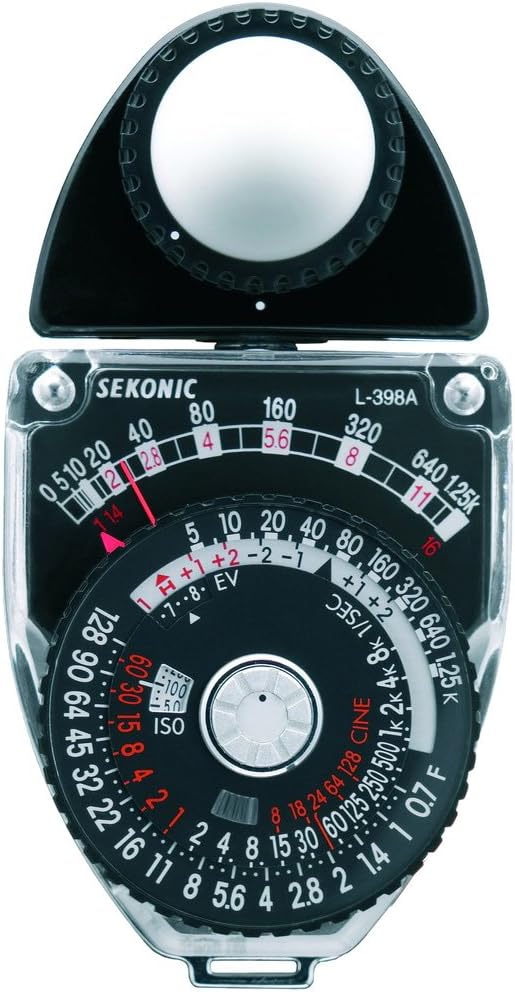


This analog light meter stands out as the Editor's Choice for its reliability and classic design. It holds a solid 4.6 rating from users who value its battery-free operation. The device uses an amorphous photocell to generate power from ambient light, ensuring it is always ready for work.
We may earn a commission when you buy through this link, at no additional cost to you.
The full dial readout provides instant access to aperture and shutter speed combinations without navigating menus. Its swivel head design allows precise positioning of the incident dome while maintaining a clear view of the display. This feature significantly improves workflow during complex lighting setups.
While the analog dial might require a learning curve for those used to digital screens, the precision is unmatched. The lack of batteries is a major benefit for long shoots where power sources are scarce. The included accessories expand versatility for varied lighting measurement scenarios.
Photographers and cinematographers seeking a dependable tool should buy this model. It is ideal for studio and field use where consistency matters. The robust build ensures it withstands professional demands over years of use.
The integrated amorphous photosensor eliminates the need for batteries entirely. This ensures dependable exposure readings anytime in studio or on-location environments without worrying about power levels.
The swivel head allows you to hold down the metering button and walk the set to check light levels easily. This flexibility is crucial for dynamic shooting environments.
We may earn a commission when you buy through this link, at no additional cost to you.
This meter offers the Best Budget solution for basic illuminance needs. It measures luminosity from 0 to 200,000 Lux with high accuracy. The 4-digit color LCD screen ensures clear visibility in various lighting conditions.
We may earn a commission when you buy through this link, at no additional cost to you.
Its lightweight and compact design make it easy to carry for set design or office use. The device includes features like MIN/Max readings and data hold to track fluctuations. An auto power-off function helps conserve battery life.
The accuracy varies slightly based on light intensity levels but remains within acceptable limits for general use. Users appreciate the temperature measurement function which adds value beyond light metering. It is a practical tool for casual or semi-pro applications.
Those needing an inexpensive tool for home or factory use should buy this. It is suitable for checking light levels in growing environments or offices. The two-year warranty provides additional peace of mind for the investment.
With a range up to 200,000 Lux this meter covers most ambient scenarios. This includes everything from dim indoor lights to bright outdoor sunlight.
Beyond light, the device measures ambient temperature for comprehensive environmental checks. This dual capability saves carrying separate tools for different readings.
We may earn a commission when you buy through this link, at no additional cost to you.
This model is a favorite among cinematographers for its precision and durability. It is designed to measure incident and reflected light readings effectively. The 180-degree Lumisphere allows for general readings of 3-D objects.
We may earn a commission when you buy through this link, at no additional cost to you.
The swivel head design enables users to hold the button and walk the set to check levels. This ease of use speeds up the workflow on busy sets. It does not require batteries ensuring continuous operation.
The included case strap and disc provide all necessary tools for immediate use. While it lacks advanced digital features the analog mechanism offers reliability. The Lumidisc allows for selective area readings when needed.
Professionals needing a reliable tool for complex lighting setups should buy this. It is ideal for film sets where battery changes are inconvenient. The comprehensive accessory pack ensures you have everything to start immediately.
The Lumidisc accessory enables selective area readings for precise control. This is essential when lighting specific subjects without affecting surrounding areas.
The swivel head and button design allow for quick checks while moving. This physical design is optimized for the demands of professional sets.
We may earn a commission when you buy through this link, at no additional cost to you.
This meter delivers accurate readings with an innovative split sensor design. It maintains measurement integrity while allowing flexible positioning with a separate probe. The 500ms refresh rates let you capture even subtle light changes quickly.
We may earn a commission when you buy through this link, at no additional cost to you.
The high-visibility backlit display remains readable in total darkness or direct sunlight. Users can toggle between Lux and Foot Candles with a single button press. The temperature measurement range covers most environmental monitoring needs.
Weighing just 188 grams it fits easily in a pocket or case. The 3xAAA battery setup ensures reliable operation in various environments. While the split sensor adds complexity it improves accuracy for specific setups.
Those needing precise monitoring in dynamic lighting should buy this model. It is great for studios where light changes subtly during sessions. The compact profile makes it easy to transport without bulk.
The separate probe maintains measurement integrity while allowing flexible positioning. This design helps when the meter body cannot be positioned ideally.
The ultra-bright switchable backlight ensures readings are visible anywhere. This is crucial when working in dark environments where screen visibility matters.
We may earn a commission when you buy through this link, at no additional cost to you.
This high-precision illuminance meter delivers lightning-fast readings twice per second. It is perfect for creating the ideal growing environment for your plants. The FC and LUX conversion gives you the power to choose units easily.
We may earn a commission when you buy through this link, at no additional cost to you.
The PEAK button instantly locks in and displays the highest light pulse value. This is useful for measuring brief high-intensity sources like lightning or lasers. A handy plus minus symbol appears when the battery runs low.
It is ready for any setting indoors or outdoors. The device helps measure sunlight intensity to create the perfect environment for plants to thrive. Its durability ensures it can handle daily use in various locations.
Gardeners and facility managers should buy this for its versatility. The low battery alert ensures you never miss a critical reading. The dual unit conversion simplifies working with international standards or local preferences.
The PEAK button allows instant locking of the highest light pulse value. This is vital for capturing momentary spikes that average readings miss.
The device is perfect for homes offices factories and plant environments. Its robust design handles diverse settings effectively without specific limitations.
We may earn a commission when you buy through this link, at no additional cost to you.
This tool captures reliable Lux and foot-candle readings with precision. It is perfect for ensuring safe efficient lighting in workplaces studios and labs. The cosine and color-corrected sensor provides accurate measurements in all lighting conditions.
We may earn a commission when you buy through this link, at no additional cost to you.
The large backlit LCD display makes readings easy to view in dim areas. One-handed operation ensures comfort and convenience for both professionals and casual users. Min/Max data hold and zero adjustment functions let you log compare and stabilize readings.
The high-performance sensor works well with natural daylight fluorescent LED or industrial fixtures. The lightweight yet durable design with a protective sensor cover makes it ideal for on-the-go inspections. It is a solid choice for facility safety and energy use.
Facility managers and inspectors should buy this for its durability. The remote sensor option adds flexibility for hard-to-reach areas. The comprehensive data functions support detailed reporting and analysis.
The cosine and color-corrected sensor provides accurate measurements in all lighting conditions. This ensures reliability across diverse environments from labs to factories.
Large display and one-handed operation ensure comfort during extended use. This design prioritizes ergonomics for users conducting multiple inspections daily.
We may earn a commission when you buy through this link, at no additional cost to you.
This lightmeter offers versatile measuring modes for both incident and reflected light readings. The digital readout in EV is easily transferred to a setting ring. This allows all shutter speed and f-stop combinations to be read at a glance.
We may earn a commission when you buy through this link, at no additional cost to you.
It includes extra features like a clock alarm and temperature read out. These additions make it more than just a light meter. The design aims to consolidate tools for professionals needing multiple functions.
While it has a high price compared to basic models the feature set is unique. Users appreciate the EV readout for quick adjustments on set. The combination of flash and ambient capability adds significant value.
Those needing a hybrid tool should buy this for its multifunctionality. It serves well in environments requiring both precise light and timing tools. The EV transfer ring streamlines the transition from measurement to settings.
The digital readout in EV is easily transferred to a setting ring. This simplifies the workflow by showing combinations at a glance.
Features like a clock and alarm add utility beyond light metering. This makes it a handy all-in-one tool for studio management.
We may earn a commission when you buy through this link, at no additional cost to you.
The Fluke brand is synonymous with quality and reliability in testing tools. This illuminance meter tester is designed for professional use. It delivers precise measurements that are critical for safety and compliance.
We may earn a commission when you buy through this link, at no additional cost to you.
Its construction ensures durability in demanding environments. Users trust Fluke for tools that perform consistently day after day. The design focuses on function and accuracy over flashy features.
While specific details are minimal in the listing the brand guarantees a high standard. The device is ideal for facilities requiring certified accurate readings. It supports compliance checks for workplace safety standards.
Those prioritizing brand trust should buy this meter. It is suitable for industrial applications where errors are costly. The professional grade build ensures it lasts longer than consumer models.
The device is designed for professional use with precise measurements. This reliability is essential for maintaining safety compliance standards.
Ideal for facilities requiring certified accurate readings daily. The focus on accuracy over features suits technical industrial environments.
We may earn a commission when you buy through this link, at no additional cost to you.
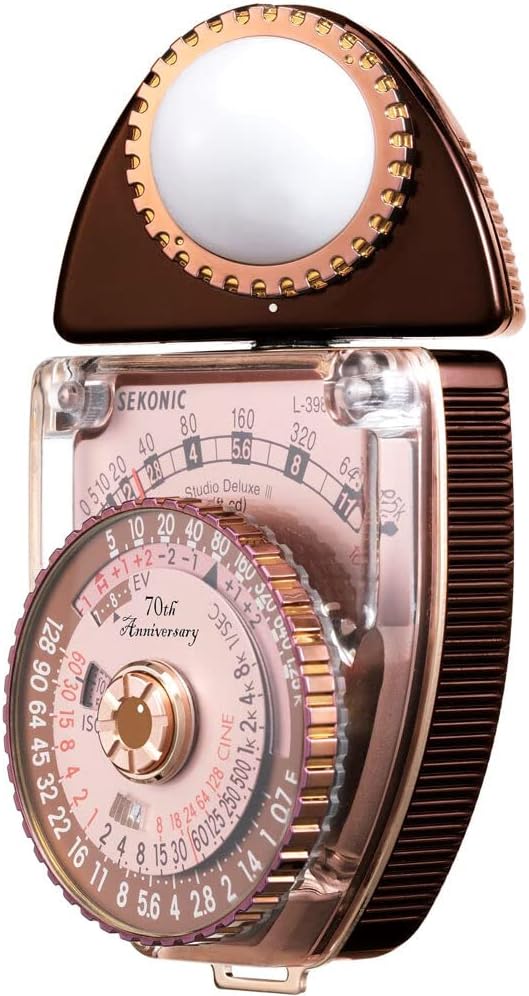
This model is a special edition celebrating 70 years of legacy. It holds a perfect 5.0 rating from early adopters. The device offers instant reading of the full range of aperture and shutter combinations.
We may earn a commission when you buy through this link, at no additional cost to you.
It maintains the classic analog design that professionals trust. The limited edition status makes it a desirable collector's item for enthusiasts. The build quality matches the high standards of previous versions.
The instant reading capability ensures efficiency during shoots. It is a tribute to the enduring value of analog metering in modern workflows. Collectors and photographers value the history it represents.
Those looking for a unique tool should buy this for its heritage. It is perfect for those who appreciate the craft of analog photography. The full range reading simplifies exposure calculations quickly.
The meter offers instant reading of the full range of aperture and shutter combinations. This speed is vital for dynamic photography sessions.
The 70th anniversary model is a limited edition collector's item. It celebrates a legacy of precision in light metering technology.
We may earn a commission when you buy through this link, at no additional cost to you.
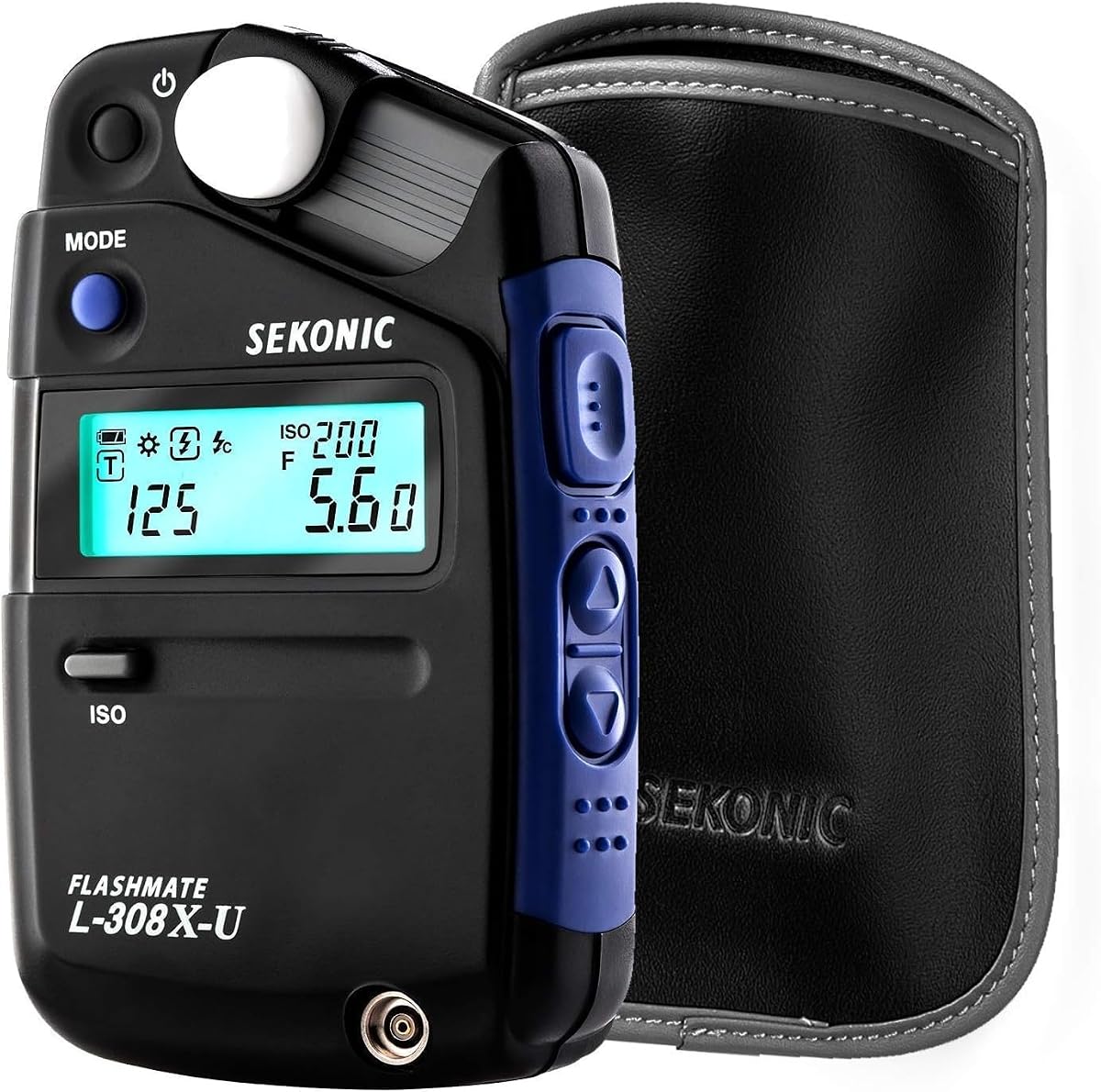
This compact digital meter delivers exposures accurate down to a tenth of a stop. It supports Photo Cine and HD Cine modes for various shooting styles. The LCD auto backlight ensures visibility in dim conditions.
We may earn a commission when you buy through this link, at no additional cost to you.
The pocket-sized design makes it easy to carry anywhere. It includes full range of ambient and flash functions including cord and cordless measurement. The cine mode allows users to select useful frame rates and shutter angles.
While it is digital it retains the precision needed for professional work. The high rating reflects its capability in complex scenarios. It offers a balance between traditional functionality and modern features.
Photographers who need a versatile compact tool should buy this. It is ideal for DSLR mirrorless videographers needing specific exposure control. The detailed accuracy helps in controlling light with precision.
Cine Mode allows users to select useful frame rates and shutter angles. This is designed for cinema grade camera exposure control.
The compact form factor ensures it fits easily in a pocket. This convenience helps photographers keep the meter close at all times.
We may earn a commission when you buy through this link, at no additional cost to you.
Choosing the right analog light meter depends on your specific workflow and accuracy needs. This guide outlines key factors to consider before making a purchase decision.
Analog meters often use photocells that generate power from ambient light. This eliminates the need for batteries ensuring the device is always ready for use. For professionals who shoot in remote locations this is a critical feature.
Prioritize models with integrated amorphous photocells to avoid power interruptions.
Ensure the meter supports both incident and reflected light readings. This versatility allows you to measure light falling on a subject versus light bouncing off it. Different shooting scenarios require different modes for accurate exposure.
Look for devices that include accessories like a Lumisphere for incident readings.
A clear dial or screen is essential for quick reading in any lighting. Analog dials show aperture and shutter combinations at a glance without menus. Digital screens may offer backlighting but require power to function.
Choose a display type that matches your visual preference and workflow speed.
Professional gear must withstand drops and constant handling on sets. Look for compact durable construction materials like high-grade plastics or metal. A protective case often included helps preserve the device during transport.
Invest in a model known for robust build quality to ensure longevity.
Check the lux range to ensure it covers your typical lighting conditions. A range up to 200,000 Lux allows for bright outdoor or dim indoor use. The sensor accuracy should remain consistent across different light levels.
Verify the sensor specifications match the intensity of your shooting environments.
Accessories like Lumidisc or Lumigrid expand the meter's functionality. They allow for selective area readings or precise grid measurements on set. Ensure the chosen model supports the accessories you might need later.
Look for kits that include essential accessories to save money on additions.
A lightweight and compact design makes transport easier during long shoots. Pocket-sized models are ideal for on-the-go use or run-and-gun filming. Heavier units may offer more features but can slow down your workflow.
Balance the weight and size against the features required for your work.
Some models include temperature measurement or data recording functions. These extra features can be useful for environmental monitoring alongside light readings. Decide if these functions add value or clutter your device.
Stick to core features unless extra data points improve your specific workflow.
Position the meter's sensor directly facing the light source you wish to measure. For incident readings hold the dome at the subject's position pointing back at the camera. Ensure there are no shadows obscuring the sensor during the measurement process.
For reflected readings aim the meter directly at the subject or area of interest. Press the metering button and wait for the needle or display to stabilize. Read the aperture and shutter speed values from the dial to set your camera settings.
Store the meter in a protective case when not in use to prevent dust accumulation. Keep the sensor clean with a soft brush and avoid touching it with bare hands. Regular calibration checks ensure the readings remain accurate over time.
Many analog light meters do not require batteries as they use an amorphous photocell to generate power from light. However some digital hybrid models may still need batteries to power screens. Always check the specific product details before purchase.
Incident light measures light falling onto a subject while reflected light measures light bouncing off it. Incident metering is generally more consistent for accurate exposure as it ignores subject reflectivity. Reflective metering is useful when you cannot reach the subject.
Analog meters offer reliability without power dependency and simple visual readouts. They avoid issues like screen glare or battery drain during critical moments. Many professionals trust the tactile experience of analog dials for exposure control.
High-quality analog meters can be accurate within a tenth of a stop when calibrated properly. They are sufficient for most photography and cinematography tasks. Accuracy depends on the sensor quality and environmental conditions.
Yes most analog meters have ranges sufficient for bright sunlight. Ensure the sensor is shielded from glare to prevent false readings. Some models have specific settings or accessories for high-light environments.
Essential accessories include a Lumisphere for incident readings and a Lumidisc for selective area readings. A soft case and strap protect the meter during transport. These extras expand the meter's versatility across different scenarios.
Our top picks like the Sekonic L-398A and MT-92H offer diverse options for every need. Whether you prioritize battery-free operation or digital features there is a model here for you. Consider your shooting style to decide between classic analog or hybrid tools.
Prioritize accuracy and durability when selecting a meter for professional use. The right tool should withstand the demands of the studio and field. A reliable meter ensures consistent exposure across all your creative projects.
Remember that prices and availability change frequently so check current details before buying. Verify compatibility with your existing equipment to avoid issues. Investing in a quality meter today pays off with reliable performance tomorrow.