
Upgraded Version Bed Sensor Alarm
4.5Editor score
Wireless motion sensor technology
Dual reminder alert modes
Long range coverage
Finding the right safety device for a loved one is crucial for peace of mind. A good bed alarm detects movement or weight changes to alert caregivers before a fall occurs. These devices provide essential support for those with dementia or mobility issues.
We evaluated ten top-rated systems based on sensor accuracy, range, ease of use, and caregiver feedback. Each product was analyzed for its ability to prevent wandering and ensure quick response times during critical moments of assistance.
Each pick highlights key features like wireless range, alarm types, and setup simplicity to help you choose wisely. Note that availability and shipping terms may change frequently, so verify details on the product page before purchasing.
4.5Editor score
4.8Editor score

4.2Editor score
As an Amazon Associate we earn from qualifying purchases.
This side-by-side comparison breaks down the core specifications of each system so you can quickly identify which model fits your home setup and specific care requirements.


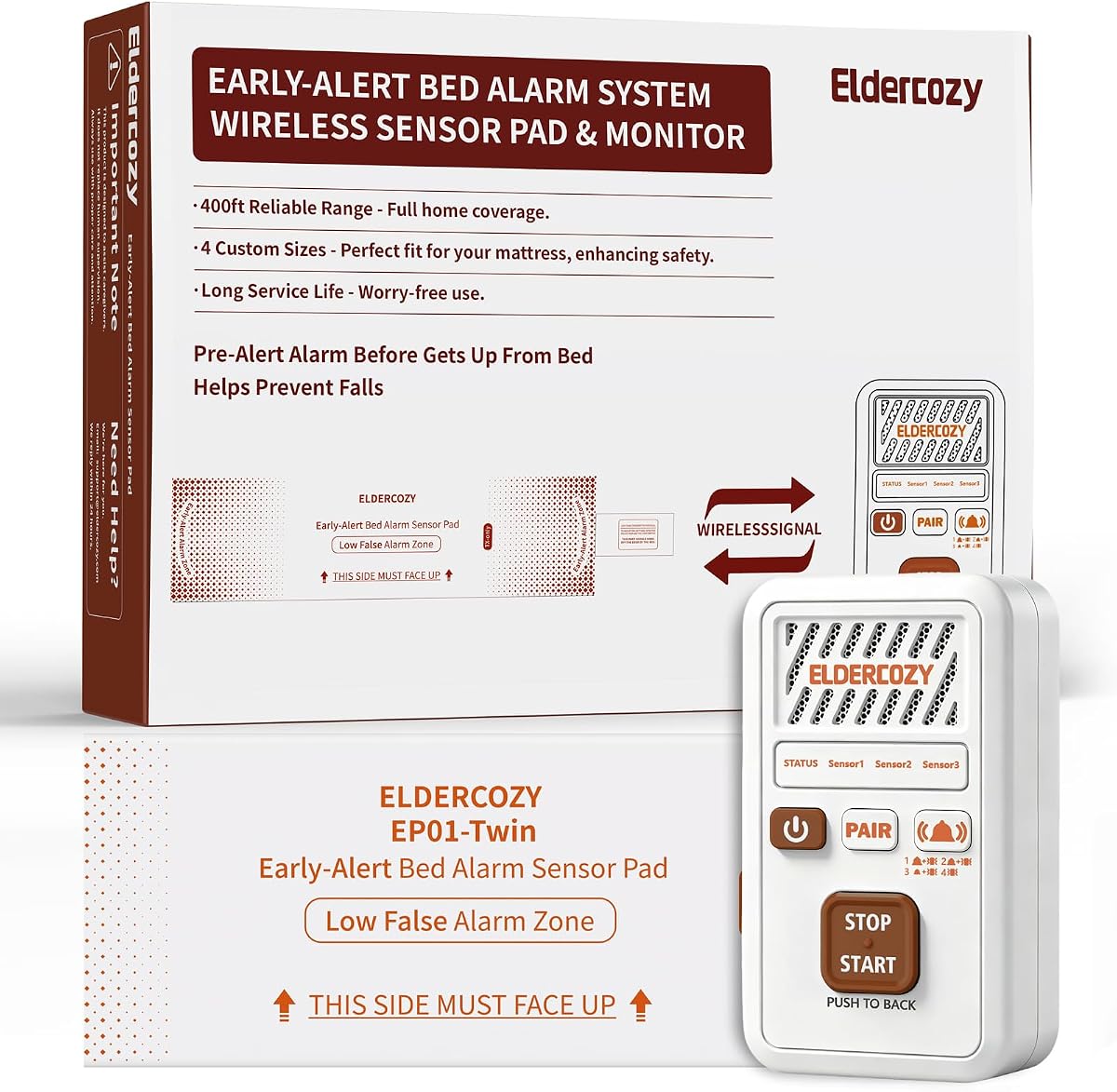
This system stands out for its superior comfort and early detection technology. With a 4.8 rating from users, it delivers a quiet experience that respects the sleep of the patient while ensuring caregivers are notified promptly.
We may earn a commission when you buy through this link, at no additional cost to you.
The TPU material eliminates the crinkly noise common in cheaper pads, making it ideal for light sleepers. The hip-level detection ensures alerts trigger before a patient stands up, providing crucial seconds to prevent falls.
The need for specific mattress sizes and a higher initial investment might be considerations for some. However, the longevity provided by replaceable batteries and the reduced risk of accidents justify the extra cost.
Ideal for households prioritizing patient comfort and early intervention, this model is highly recommended for caregivers who need reliable performance without disturbing the sleep environment.
The soft TPU composite ensures the sensor never crunches when the patient moves, preserving a peaceful night's sleep for both the patient and the caregiver.
By detecting weight changes at the hip level rather than the shoulders, the system alerts caregivers immediately as the patient attempts to sit up.
We may earn a commission when you buy through this link, at no additional cost to you.
Offering an accessible entry point for home safety, this motion sensor system is designed to alert caregivers when a foot touches the floor. It avoids the false alarms often caused by patient incontinence or minor movements in bed.
We may earn a commission when you buy through this link, at no additional cost to you.
The sensor can be placed under the bed or at a door, providing flexibility for different room layouts. With a 918-foot range, caregivers can move freely around the home without losing connection.
The main trade-off is the reliance on floor placement, which can be a tripping hazard if not secured properly. Users should carefully tape the sensor to the floor to ensure stability and safety.
This model is excellent for those seeking a low-cost solution that focuses on motion detection rather than weight sensing, making it versatile for various care needs and budgets.
The sensor can be positioned under the bed to detect feet or near a door to monitor wandering, offering adaptable coverage for different home environments.
Unlike pressure pads, this motion sensor triggers only when specific movement patterns occur, reducing frustration from false alerts during rest.
We may earn a commission when you buy through this link, at no additional cost to you.
This trusted model from a well-known caregiver brand offers a robust vinyl sensor pad that is sealed for incontinence protection. It provides a reliable and straightforward solution for monitoring bed exits without complicated setups.
We may earn a commission when you buy through this link, at no additional cost to you.
The monitor features a silence button for immediate quieting and can be mounted on a wall or bed for easy access. The pad fits discreetly under the sheet, maintaining the comfort of the bedding.
While the corded connection limits range slightly compared to wireless options, the durability and ease of cleaning make it a strong choice for high-use environments where hygiene is a priority.
Suitable for users who prefer a proven brand with straightforward functionality, this alarm delivers consistent performance for daily monitoring needs in residential care settings.
The sealed vinyl surface allows for easy wiping and cleaning, ensuring the sensor remains hygienic even in environments where accidents may occur.
The simple pressure detection ensures that the alarm activates only when weight is removed, providing consistent alerts for caregivers.
We may earn a commission when you buy through this link, at no additional cost to you.
Designed with caregivers in mind, this system offers vibration-only alerts which are perfect for shared sleeping environments. The pager clips easily to a belt, allowing the caregiver to stay within earshot but not necessarily within sight.
We may earn a commission when you buy through this link, at no additional cost to you.
The tool-free setup means you can begin monitoring within seconds of unboxing. The customizable volume and sound options allow for flexibility during the day versus nighttime care routines.
Some users note that the sensor pad can be bulky under thinner sheets, which might affect comfort. However, the reliability of the alarm often outweighs this minor inconvenience for many households.
This model is recommended for caregivers who want a quick, easy-to-install system with versatile alert options that adapt to different noise tolerance levels.
The vibration-only mode ensures that caregivers are alerted without waking the patient or disturbing other family members in shared living spaces.
No tools are required to install the system, making it accessible for elderly family members or those with limited technical experience.
We may earn a commission when you buy through this link, at no additional cost to you.
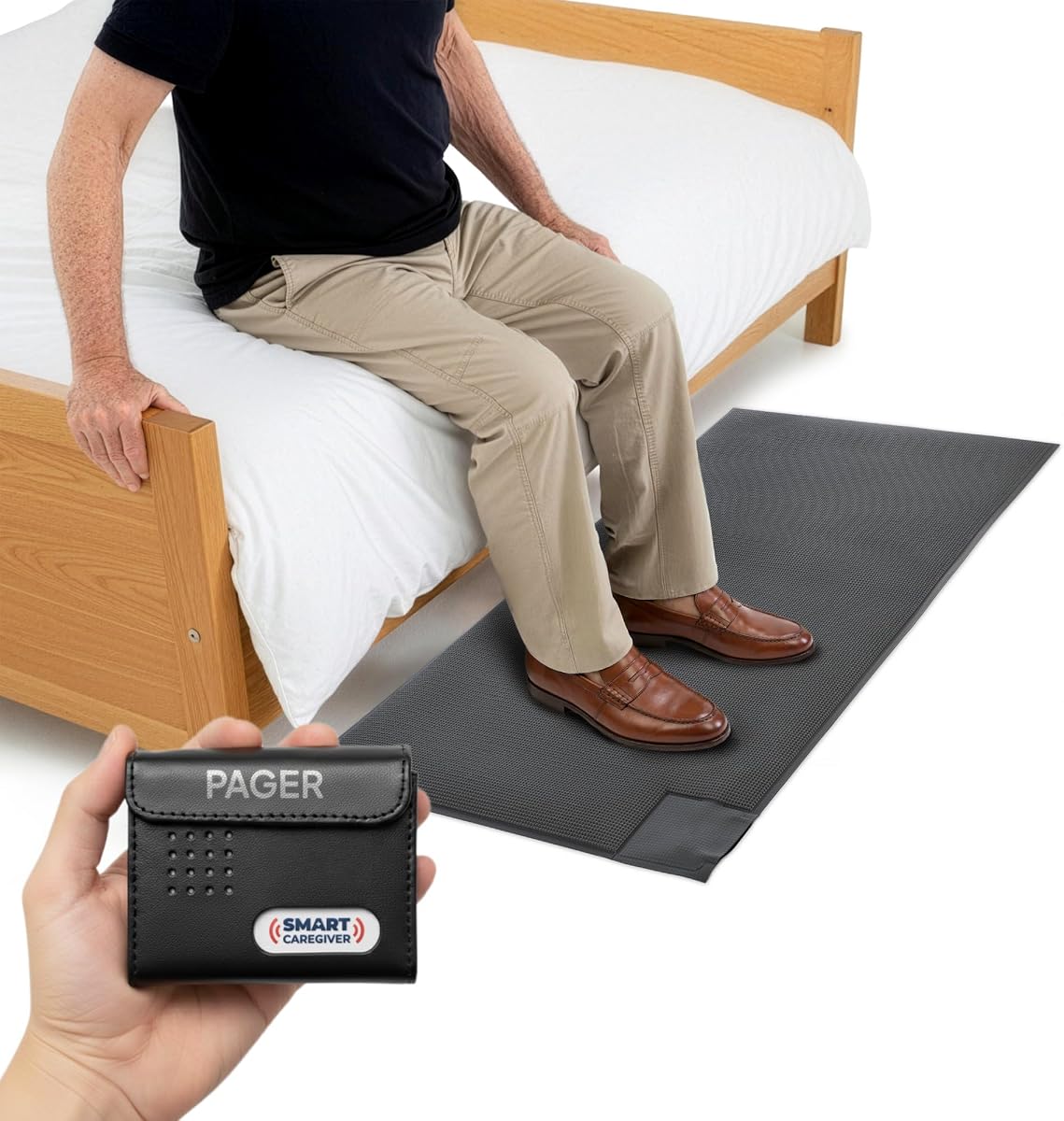
This floor mat system is specifically designed to alert caregivers when a patient attempts to walk out of a room. Its large size ensures high sensitivity for foot traffic, making it ideal for preventing wandering at night.
We may earn a commission when you buy through this link, at no additional cost to you.
The pager is wireless and offers both sound and vibration alerts, ensuring notifications are received even if the caregiver is in a different part of the house. The mat is durable enough for daily use in high-traffic areas.
Because the mat sits on the floor, it must be secured to prevent tripping, especially for those with mobility issues. Caregivers should place it near the bed or door where it is least likely to obstruct pathways.
Perfect for homes where exit detection is a priority, this system provides a strong layer of security against wandering while keeping the alert discreet until needed.
Placing the mat at the doorway creates a virtual barrier that immediately alerts caregivers when the patient attempts to leave the room.
The mat is built to withstand heavy foot traffic and incontinence accidents, making it suitable for long-term daily use.
We may earn a commission when you buy through this link, at no additional cost to you.
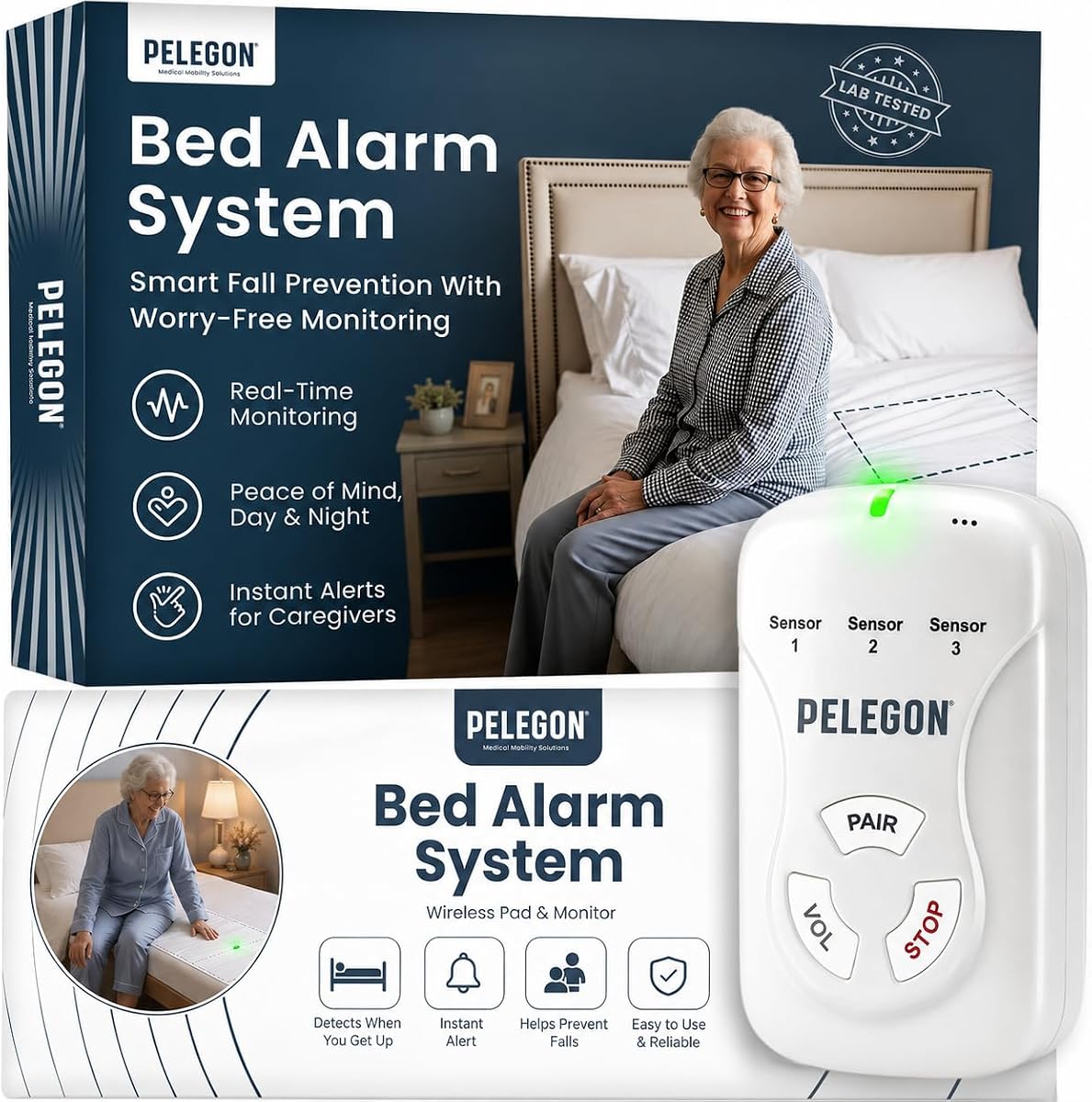
This system is part of a larger ecosystem that allows you to add multiple sensors for comprehensive home coverage. The early alert technology triggers when pressure is removed from the shoulders, providing timely notifications to the caregiver.
We may earn a commission when you buy through this link, at no additional cost to you.
The included pager supports multiple sensors, meaning you can monitor a bed, a chair, and a door with a single receiver. This scalability makes it a cost-effective choice for growing care needs.
The reliance on wireless signals requires careful testing to ensure the connection is stable within your home environment. Interference from other electronics can occasionally cause delays, though this is rare with proper placement.
Recommended for homes needing multiple monitoring points, this alarm offers a scalable solution that grows with your caregiving requirements and provides peace of mind through redundant coverage.
The ability to connect up to six sensors allows for a comprehensive monitoring network that covers the bed, chair, and exit points simultaneously.
Designed to trigger as the patient shifts weight, this system ensures caregivers are notified before a fall occurs.
We may earn a commission when you buy through this link, at no additional cost to you.
This portable system uses a motion sensor that can be rotated to avoid false alarms from incontinence or shifting. The receiver is lightweight and features a Type-C charging port, making it convenient for travel.
We may earn a commission when you buy through this link, at no additional cost to you.
The silent mode allows caregivers to monitor patients without making noise during the night. This is particularly useful in shared rooms or hospitals where noise levels must be controlled.
The motion sensor can sometimes be less reliable than pressure pads if the patient moves in a way that does not trigger the specific detection angle. Caregivers may need to adjust the sensor position frequently to maintain accuracy.
Ideal for travelers or temporary setups, this alarm provides a flexible option for monitoring patients in various environments without permanent installation requirements.
The receiver is compact and rechargeable, allowing caregivers to move freely without being tethered to a specific power outlet.
Caregivers can switch to a silent alert mode to avoid disturbing the patient during sensitive periods like deep sleep.
We may earn a commission when you buy through this link, at no additional cost to you.
This sensor system is factory-paired for ease of use, removing the need for manual synchronization. It offers a dual power option with a Micro USB port, ensuring continuous operation even during battery changes.
We may earn a commission when you buy through this link, at no additional cost to you.
The receiver provides multiple alert modes including light and sound, catering to different sensory needs. With a 918-foot range, it is suitable for large homes or multi-level houses where the caregiver may be far from the patient.
The sensor needs to be positioned carefully to ensure it detects the footstep rather than general room movement. Testing the sensing range before final placement is essential to avoid false alarms.
Suitable for those needing extended range and power flexibility, this system offers a reliable and straightforward setup for professional or home care environments.
The extensive range ensures that caregivers can monitor from distant rooms without losing signal or connection reliability.
The inclusion of a Micro USB port allows for continuous operation and flexibility in power management.
We may earn a commission when you buy through this link, at no additional cost to you.
This kit provides both a bed pad and a chair pad, making it versatile for patients who spend significant time sitting. The monitor features a phone-style clip that makes switching between the two pads effortless.
We may earn a commission when you buy through this link, at no additional cost to you.
The monitor can be clipped to a chair back or placed on a table, keeping it accessible. The pads are made of soft vinyl with foam interiors, offering comfort and durability for extended use.
The corded nature of the monitor limits its movement compared to wireless systems. Users should ensure the cords are placed securely to avoid snagging or creating tripping hazards.
Ideal for patients who alternate between bed and chair, this system offers a practical solution for monitoring different high-risk areas without buying separate units.
With two distinct pads included, the system supports monitoring in two different high-risk locations without additional purchases.
The clip-on design allows for quick installation and removal, simplifying daily care routines.
We may earn a commission when you buy through this link, at no additional cost to you.
This compact motion pad system is designed to be lightweight and easy to place under sheets. It features a latex-free material that is gentle on sensitive skin and resistant to incontinence fluids.
We may earn a commission when you buy through this link, at no additional cost to you.
The pager offers customizable alerts including music, vibration, and volume settings. Its compact size makes it easy to carry around the house, ensuring the caregiver is always reachable.
While the pad is shorter than standard options, it still provides adequate detection for many users. However, users should verify the dimensions before purchase to ensure it covers the necessary area for their mattress.
Best for those seeking a lightweight and easy-to-clean option, this system delivers fundamental safety features without unnecessary bulk or complex setup steps.
The latex-free material ensures that the sensor is safe and comfortable for patients with sensitive skin or latex allergies.
The lightweight pager allows caregivers to move freely while remaining connected to the alert system at all times.
We may earn a commission when you buy through this link, at no additional cost to you.
Selecting the right alarm depends on your home layout, care needs, and the specific safety risks involved.
Pressure pads detect weight changes and are effective for bed exits but can be sensitive to tossing and turning. Motion sensors detect movement on the floor and are better for wandering prevention but require careful placement.
Choose pressure pads for bed-focused monitoring and motion sensors for exit and wandering prevention.
Range determines how far the caregiver can move before the signal cuts out. Larger homes need systems with at least 300 feet of range to ensure continuous coverage across rooms and hallways.
Verify the range specification matches the size of your home to avoid signal dropouts.
Look for systems that offer both sound and vibration alerts. Vibration is essential for shared sleeping quarters to avoid startling the patient or disturbing others while ensuring the caregiver is alerted.
Prioritize models with vibration-only options for quiet nighttime monitoring.
Simple setups with tool-free assembly ensure the device can be deployed quickly. Systems that require complex wiring or frequent calibration may be frustrating for caregivers managing busy routines.
Select systems with clear instructions and minimal assembly to save time and effort.
Battery life and charging options vary widely. Systems with replaceable batteries may be easier to maintain in emergencies, while rechargeable options reduce waste and cost over time.
Choose a power source that fits your maintenance capabilities and emergency needs.
Incontinence-resistant materials are critical for hygiene and longevity. Vinyl or sealed sensors can be wiped clean easily, ensuring the device remains functional even after accidents.
Look for sealed, waterproof, or vinyl designs that are easy to sanitize regularly.
Some systems allow you to add more sensors later. If you anticipate needing to monitor chairs or doorways in addition to beds, ensure the pager supports multiple devices.
Consider future needs and choose a system that supports a network of sensors.
Noise levels should be high enough to alert but low enough to avoid panic. Systems with adjustable volume and silent modes offer the best balance for different environments and patient sensitivities.
Adjustable volume and silent modes are essential for adapting to different noise tolerance levels.
Place the sensor pad under the fitted sheet or on the floor depending on the model. Ensure it is centered under the shoulders or hips for pressure sensors, or flat on the floor for motion sensors. Test the alarm to verify it triggers when weight is removed or movement occurs.
Keep the receiver or pager close to you but away from water sources. Charge batteries regularly or replace them when the low battery indicator lights up. Clean the sensor pad with a damp cloth and mild soap to maintain hygiene and functionality.
Adjust the volume and alert settings to match your daily routine. Use silent modes at night to avoid disturbing others. Regularly check the connection between the sensor and the receiver to ensure consistent performance throughout the night.
Many modern bed alarms feature advanced sensors that distinguish between general movement and actual bed exit. Look for models with hip-level detection or motion filters to reduce false alarms caused by restless sleeping.
Yes, most quality bed alarms use pressure sensors that work through thin sheets and pads. However, ensure the sensor is sealed or waterproof to prevent damage from accidental spills or leakage.
Battery life varies by model but typically ranges from a few weeks to several months on a single charge or battery set. Rechargeable models often last longer between charges than those using standard disposable batteries.
Motion sensors placed near doors or at the foot of the bed are highly effective for wandering prevention. They alert caregivers when the patient leaves the safe zone, allowing for quick intervention.
Many portable alarms are suitable for hospital use provided they do not interfere with medical equipment. Always check with facility staff to ensure compatibility and safety within clinical environments.
Adjust the sensitivity settings if available and ensure the sensor is placed correctly. For pressure pads, position the sensor under the hips rather than the shoulders to avoid triggering on normal movement.
Choosing the right bed alarm depends on balancing comfort, reliability, and specific safety needs. Our top picks offer a range of features from early detection to silent alerts, ensuring there is a solution for every household.
Prioritize models that match your home layout and caregiving routine. Systems with wireless ranges and vibration alerts provide the best flexibility for maintaining peace of mind without disrupting sleep.
Always verify current availability and specifications before purchasing to ensure the device meets your requirements. These tools are essential investments in safety, offering caregivers the confidence to manage care with greater ease.