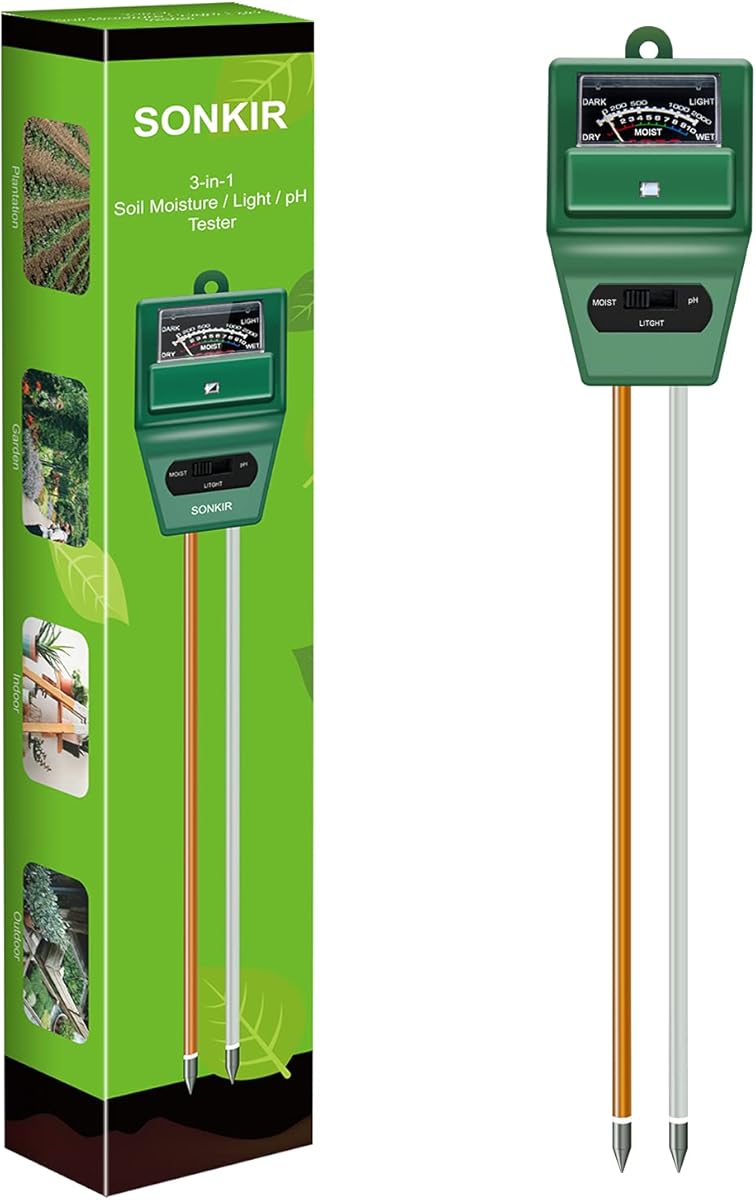
SONKIR Soil pH Meter
4.1Editor score
No battery required
3-in-1 testing
Sturdy scientific design
Discover the top Bluetooth soil pH meters for precise plant care. This guide compares ten models to help you find the perfect device for your garden needs.
Selecting the right tool for monitoring soil conditions is essential for any serious gardener or farmer. Modern Bluetooth soil pH meters offer seamless connectivity and precise readings to help optimize plant growth effectively.
We compared ten top-rated devices based on accuracy, ease of use, connectivity features, and overall durability. Our analysis covers everything from basic analog testers to advanced digital models with app integration.
Each pick highlights unique strengths and potential limitations to help you make an informed decision. Please note that prices and availability may change frequently on the retailer platform.
4.1Editor score

4.4Editor score

4.0Editor score
This side-by-side comparison highlights the key specifications and capabilities of each model to help you quickly identify the best fit for your specific gardening requirements.




This 7-in-1 digital soil tester kit stands out as a top value for gardeners needing comprehensive data without breaking the bank. With a rating of 4.4 stars, users appreciate its ability to measure moisture, pH, temperature, and light intensity simultaneously.
We may earn a commission when you buy through this link, at no additional cost to you.
The device features a large LCD screen with white backlight ensuring clear visibility even in dim conditions. It uses the latest probe technology to deliver fast and accurate readings within ten seconds of insertion.
While it offers impressive functionality, users must ensure the soil is moist enough for accurate readings and avoid using it directly on liquids. The requirement for four AAA batteries is a minor inconvenience compared to its versatility.
Ideal for home gardeners and plant enthusiasts, this meter simplifies plant care by providing all essential data in one handheld device. It is a reliable choice for both indoor and outdoor applications.
The 7-in-1 design covers moisture, pH, temperature, light, fertility, EC, and TDS, reducing the need for multiple tools.
Intuitive symbols and extra-large screens make it easy for beginners to interpret complex soil data accurately.
We may earn a commission when you buy through this link, at no additional cost to you.
This digital soil pH meter offers robust functionality for those who want to track soil health over time. Its unique feature is the ability to connect to an app for automatic data storage and access.
We may earn a commission when you buy through this link, at no additional cost to you.
The device is built with a conical steel probe that protects the pH electrode from dirt and damage. It ensures durability and consistent performance across various testing environments like gardens and pools.
Automatic Temperature Compensation ensures accuracy in different conditions but users must follow setup instructions carefully to enable BT connection successfully. The backlight helps read data in poor lighting conditions effectively.
Gardeners who prefer digital records will find this tool invaluable for long-term plant health management. It balances professional-grade features with a user-friendly design for versatile use.
Connecting to an app allows you to log pH levels anytime and review historical data easily.
The conical steel probe safeguards the internal electrode from dirt and impact during use.
We may earn a commission when you buy through this link, at no additional cost to you.
This wireless soil moisture meter allows for continuous monitoring without daily probe insertion. It includes expandable solar probes that can stay in the soil for long-term checks.
We may earn a commission when you buy through this link, at no additional cost to you.
The controller supports up to 32 probes, making it ideal for large gardens or multiple raised beds. Data refreshes automatically every twenty minutes to keep you updated on soil conditions.
While the solar power is convenient, air and light readings require specific controller placement for accuracy. This design suits busy gardeners who need ongoing data rather than spot checks.
It is best suited for those managing larger areas where consistency and reduced manual effort are priorities. The split design allows comfortable viewing without bending over to read measurements.
Dedicated solar probes connect wirelessly and stay in the soil, ideal for greenhouse monitoring.
Support up to 32 probes to monitor different areas without walking around to reinsert testers.
We may earn a commission when you buy through this link, at no additional cost to you.
The SONKIR soil pH meter is a fantastic budget-friendly tool for casual gardeners. It operates without batteries by using natural conductivity to provide reliable readings.
We may earn a commission when you buy through this link, at no additional cost to you.
It measures moisture, pH, and light in one device using a sturdy scientific design. The lack of electronic components means it is reliable and long-lasting with minimal maintenance.
Users should note it lacks a backlight and requires patience for accurate results in dry soil. However, its simplicity makes it a perfect entry-level option for plant care.
This meter is ideal for those who want a no-frills tool for daily garden checks. Its affordability ensures it is accessible for everyone regardless of budget constraints.
Simply insert the meter into soil and wait a few minutes for accurate results without needing batteries.
Its compact size allows you to easily carry it for house gardens, farms, or lawns.
We may earn a commission when you buy through this link, at no additional cost to you.
This digital pH meter is designed for modern gardeners who value data tracking. It connects to an app that stores up to 1000 data points for detailed monitoring.
We may earn a commission when you buy through this link, at no additional cost to you.
The tapered plastic dibber protects the pH electrode from damage ensuring accurate readings across different soil types. It is a versatile tool for soil, water, and nutrient solutions.
While the app adds complexity, it provides a clear picture of soil health over time. Users can add notes to samples to track changes effectively.
It is perfect for potted plants and hydroponic setups where precision matters. The included calibration buffer powder ensures long-term accuracy for your measurements.
Download the app to connect with your pH pen and set up automatic data storage effortlessly.
Measure soil, garden water, and nutrient solutions with one reliable and easy-to-use reader.
We may earn a commission when you buy through this link, at no additional cost to you.
This combo kit offers a comprehensive solution for growers needing both pH and moisture data. It includes a pH meter and a 3-in-1 moisture meter for complete soil analysis.
We may earn a commission when you buy through this link, at no additional cost to you.
Using advanced FDR technology, the moisture meter provides accurate readings between 21% and 40%. The stainless steel dibber protects the electrode during soil insertion.
It also supports hydroponic nutrient testing making it a versatile choice for indoor growers. The package includes calibration solutions to ensure accuracy out of the box.
Ideal for serious gardeners, this kit removes the guesswork from watering and fertilizing. It delivers professional-grade insights in an easy-to-use design.
The FDR method detects moisture accurately so you can schedule watering rationally for plants.
Test both soil and hydroponic nutrient solutions with dedicated pH and EC capabilities.
We may earn a commission when you buy through this link, at no additional cost to you.
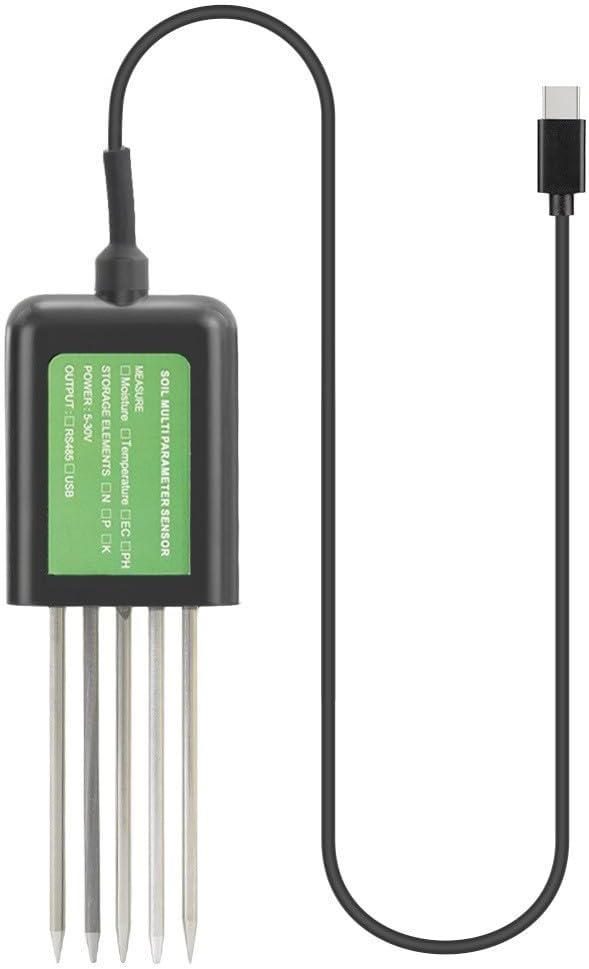
This USB sensor delivers complete plant health monitoring with laboratory-grade accuracy. It measures moisture, pH, and NPK nutrients in one device suitable for professionals.
We may earn a commission when you buy through this link, at no additional cost to you.
Built with IP68 construction, it withstands prolonged soil exposure without damage. The USB connection allows instant data export to mobile devices via apps.
While powerful, it requires a PC or specific USB connection for full functionality which may limit casual use. It is best for agriculture and research settings.
If you need detailed nutrient data beyond pH, this tool is unmatched. Its battery-free design ensures it works instantly when plugged into your device.
Delivers accurate readings for moisture, pH, and NPK nutrients in one convenient testing device.
IP68-rated construction and sealed resin ensure the sensor withstands prolonged soil exposure.
We may earn a commission when you buy through this link, at no additional cost to you.
The Bluelab OnePen is a top choice for professional growers needing speed and precision. It delivers the fastest stable pH and conductivity readings on the market.
We may earn a commission when you buy through this link, at no additional cost to you.
Its IP68 waterproof design ensures durability even in wet conditions. The replaceable probe simplifies upkeep and enhances the device's longevity over time.
Bluetooth sync allows you to manage and track data in the app easily. This connected feature makes it ideal for commercial greenhouse monitoring.
If you are willing to invest in top-tier quality, this pen delivers exceptional performance. It is designed for those who prioritize accuracy and durability in their tools.
Automatically adjusts readings based on temperature for fast accurate results within ±0.01.
Made from premium materials with an ergonomic design and a cap to maintain probe health.
We may earn a commission when you buy through this link, at no additional cost to you.
The Kelway HB-2 is a classic tool known for its simplicity and reliability. It measures pH and moisture without requiring any chemical or electric power source.
We may earn a commission when you buy through this link, at no additional cost to you.
Users appreciate its ability to take numerous readings easily over large areas. It is a staple for farmers and gardeners who value mechanical precision over digital features.
While it lacks a digital screen, its accuracy is proven over decades. The conditioning film is sold separately but ensures optimal performance over time.
This meter is perfect for those who want a straightforward device that works every time. Its longevity and durability make it a worthy investment.
Requires no chemical, distilled water, or outside electric power source for operation.
Numerous readings can be easily taken over large areas for comprehensive field testing.
We may earn a commission when you buy through this link, at no additional cost to you.
This industrial-grade tester offers detailed analysis including Nitrogen, Phosphorus, and Potassium levels. It is designed for serious agriculture and scientific research needs.
We may earn a commission when you buy through this link, at no additional cost to you.
The device supports 100W data storage and allows export to Excel for professional reporting. Its high stability ensures system availability rates exceeding 99 percent.
It features a large LCD screen with a full-color interface for easy navigation. While complex, it offers the deepest insights into soil composition.
Best for researchers and professional farmers, this tool supports yield optimization and soil quality improvement. It is a comprehensive solution for data-driven agriculture.
Effectively measures Nitrogen, Phosphorus, Potassium, pH, temperature, moisture, and conductivity.
Data can be exported to computer via Excel for convenient printing and editing.
We may earn a commission when you buy through this link, at no additional cost to you.
Choosing the right pH meter requires evaluating several factors including connectivity, accuracy, and durability. This guide helps you identify the features that matter most for your gardening needs.
Bluetooth and USB connectivity allow you to sync data to your phone or computer for long-term tracking. This feature is essential if you want to monitor trends over time rather than just spot checking.
Ensure the device supports a stable connection and easy-to-use app to avoid frustration during data transfer.
Accuracy is critical for plant health. Look for devices that offer ATC (Automatic Temperature Compensation) to ensure readings remain valid regardless of soil temperature.
Higher-end models often provide ±0.01 precision while basic analog meters may be less consistent but still functional for general use.
Gardening tools face harsh conditions so waterproofing and sturdy probes are important. IP68 ratings ensure your device survives wet or dusty environments.
A tapered or conical probe helps penetrate soil without damaging the sensor. This design also protects the electrode from dirt during storage.
Some meters require batteries while others use solar or USB power. Consider how often you want to change batteries versus using a rechargeable system.
Solar probes reduce maintenance significantly but require sunlight to function effectively. Battery-operated models may offer more flexibility in shaded areas.
Decide if you need pH only or a combination of moisture, temperature, and nutrient readings. Multi-function testers save money and space but can be complex to learn.
For beginners a 3-in-1 kit is often sufficient. Advanced users may prefer separate tools or a professional system with NPK analysis.
Accurate readings depend on regular calibration. Ensure the package includes necessary solutions or that they are easy to source separately.
Probes should be cleaned after each use to prevent residue buildup. Look for replaceable probes if you plan to use the device extensively.
Clear displays and simple controls are vital for quick testing. A backlight helps when checking readings in low light conditions.
If you are new to soil testing, choose a model with intuitive steps and clear instructions to avoid damaging the probe.
Prices range from affordable analog tools to premium digital systems. Determine your needs before buying to avoid overspending on features you won't use.
Investing in a higher-quality device often pays off through durability and more reliable data in the long run.
Insert the probe into moist soil about 2 to 4 inches deep. Wait for the reading to stabilize which usually takes 10 to 30 seconds depending on the model.
Clean the probe with a soft brush and water after each use to remove soil particles. Do not use harsh chemicals that could damage the sensor surface.
Store the device in a dry place away from extreme temperatures. Regularly check battery levels or charge the device to ensure readiness for future use.
You should calibrate your meter at least once a month or whenever you notice inconsistent readings. Regular calibration ensures the device remains accurate over time and protects your plants.
Yes, many models are designed to test both soil and hydroponic solutions. Ensure the probe is waterproof and the device supports liquid testing for accurate results.
Most plants prefer a soil pH between 6.0 and 7.0. This slightly acidic to neutral range allows for optimal nutrient absorption and healthy growth.
Unstable readings often occur in dry soil or if the probe is dirty. Moistening the soil slightly before testing and cleaning the probe can resolve this issue.
While you can often read data directly on the device, the app provides valuable tracking features. Using the app allows you to log history and share data easily.
Insert the probe to a depth of 2 to 4 inches to measure the root zone. This ensures you are testing the soil where plant roots actually absorb nutrients.
Some solar wireless probes are designed to stay in the soil permanently. Standard probes should be removed after use to prevent corrosion and damage.
Digital meters generally offer higher precision and features like temperature compensation. However, high-quality analog meters can also provide reliable readings if maintained well.
We have highlighted top options ranging from budget-friendly analog tools to advanced digital systems. Each offers unique benefits depending on your gardening needs and skill level.
Prioritize accuracy and durability when selecting a device. A well-maintained tool provides consistent data that helps your plants thrive year after year.
Check current prices and availability on the retailer platform before purchasing. Regular updates ensure you find the best deal for your selected model.