
Verifone VX520
3.5Editor score
EMV and NFC compliance
Dial and Ethernet support
Proven reliability in POS
Discover the top card readers for vending machines in October 2026. This guide compares features, compatibility, and security to help operators choose.
Choosing the right card reader for your vending machine is crucial for maximizing sales and ensuring secure transactions. Modern machines require reliable systems that accept various payment methods while providing real-time data to operators for better management.
We evaluated ten top-rated card readers based on connectivity options, payment acceptance, durability, and integration capabilities. Each product was assessed for its ability to handle high-volume transactions and support remote monitoring features essential for unattended operations.
Each pick highlights key strengths and potential limitations to guide your decision. Note that pricing and availability change frequently, so check current listings before purchasing to ensure you get the best deal for your specific vending setup needs.
3.5Editor score
3.8Editor score

4.0Editor score
This side-by-side comparison highlights the core specifications and capabilities of each reader to help you identify the best fit for your vending environment.


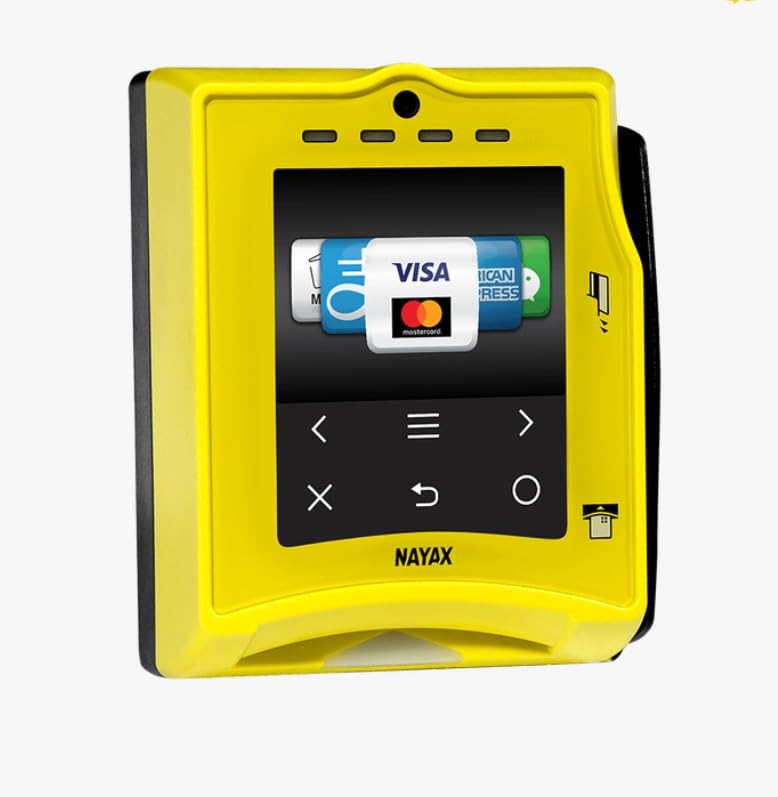
The VPOS Touch stands out as a comprehensive cashless solution designed specifically for vending and unattended machines. With a solid 3.8 rating, it combines robust security with versatile payment acceptance to meet modern consumer needs.
We may earn a commission when you buy through this link, at no additional cost to you.
Its plug-and-play connectivity eliminates the need for separate Wi-Fi setups by including a high-gain 4G LTE antenna. The device accepts EMV chip cards, NFC contactless payments like Apple Pay, and magnetic stripes. Real-time telemetry allows operators to monitor inventory and sales remotely via the Nayax management suite.
While it offers exceptional integration capabilities with MDB or Pulse protocols, the activation process can take up to ten business days which may delay deployment. Some users might find the setup documentation complex if they are unfamiliar with cellular configurations.
This reader is ideal for operators seeking a secure, connected system that minimizes downtime. If you prioritize remote management and diverse payment acceptance, this device delivers significant value despite the activation wait.
The included high-gain 4G LTE antenna ensures reliable connections without extra hardware or complex network setups.
Operators can track sales, inventory, and cash levels in real time through mobile alerts and the management suite.
We may earn a commission when you buy through this link, at no additional cost to you.
The Nayax VPOS Touch offers a versatile payment hub with a customizable 2.4-inch color LCD touchscreen. It supports multiple transaction methods including swipe, contact, and contactless options alongside QR codes for enhanced flexibility.
We may earn a commission when you buy through this link, at no additional cost to you.
Its anti-vandal durability is notable with Dragontrail glass and IP55 rating ensuring performance in harsh environments. Real-time telemetry allows remote monitoring of sales and inventory while marketing tools enable loyalty programs and discounts to drive repeat visits.
Although it includes plug-and-play installation and remote software updates, the absence of confirmed rating data makes confidence assessments harder. Users should verify compatibility with specific vending protocols before purchase to avoid integration issues.
Choose this reader if you need advanced marketing features and robust physical protection for high-traffic locations. It balances user-friendly interfaces with operator management tools effectively.
The touchscreen supports multiple languages and voice prompts to cater to diverse customer demographics easily.
Built-in tools allow for punch cards and discounts to encourage customer retention without third-party apps.
We may earn a commission when you buy through this link, at no additional cost to you.
This Generic model provides a basic cashless interface but requires activation before use. The box includes a yellow instruction sheet detailing steps to begin activation which may take up to ten business days after submission.
We may earn a commission when you buy through this link, at no additional cost to you.
The activation process ensures the device is properly registered and ready for secure transactions. However the lack of detailed specifications about supported protocols or connectivity options limits its appeal for complex vending setups.
Operators should anticipate potential delays when ordering this reader for immediate deployment. It may suit simple installations where activation time is not critical and detailed specs are less important.
Consider this option if you prioritize budget over advanced features. Ensure you have ample time for activation before planning machine launches.
Follow the yellow instruction sheet inside the box to submit activation details and ensure device readiness.
We may earn a commission when you buy through this link, at no additional cost to you.
The Symcode Multi-Function serves as a USB magnetic card reader that supports memory chip and contactless NFC card reading. It is widely used for membership systems and check-in checkout setups installed with kiosks.
We may earn a commission when you buy through this link, at no additional cost to you.
It supports reading magnetic cards without writing functions and all three tracks. The device offers two-way swipe, insertable chip reading, and left-side contactless NFC. It works as a keyboard emulator or passive software reader.
However the low rating of 2.8 indicates potential reliability or usability issues for some users. It is read-only not an encoder limiting its use for loyalty card updates or advanced transaction needs.
This reader fits basic membership scanning needs at low cost. Avoid it if you require writing capabilities or high reliability for frequent transactions.
Supports swipe, chip insertion, and contactless NFC with switches to configure the preferred reading mode.
We may earn a commission when you buy through this link, at no additional cost to you.
The Verifone VX520 is a reliable dial and Ethernet smart card reader with EMV and NFC compliance. It supports contactless payments and smart card transactions ensuring secure and versatile acceptance.
We may earn a commission when you buy through this link, at no additional cost to you.
Its proven performance in POS environments makes it a trusted budget choice for vending operators seeking reliability. It accepts Apple Pay and other NFC payments alongside smart cards.
As an older model it lacks some modern integrations like built-in cellular or advanced telemetry. Connectivity is limited to dial and Ethernet requiring external setups for remote management.
Opt for this reader if you need a cost-effective secure option with established reliability. It suits installations with existing network infrastructure.
Ensures secure transactions with EMV contact and contactless standards to reduce fraud risk.
We may earn a commission when you buy through this link, at no additional cost to you.
This Multi-Function Card Reader supports reading magstripe, chip, and NFC cards with write capabilities for PSAM and Mifare cards. It includes SDK software and a user manual for integration into membership systems.
We may earn a commission when you buy through this link, at no additional cost to you.
The ability to write data makes it valuable for loyalty programs where cards need updates. It supports Mifare RFID and contact PSAM cards for broader compatibility.
However the magstripe function is read-only limiting full card emulation. Setup requires checking user guide files on the CD which may be technical for non-developers.
Choose this if you need to write loyalty data onto cards. Ensure you have technical support for software integration.
Package includes SDK, software CD, and manual to assist with system integration and testing.
We may earn a commission when you buy through this link, at no additional cost to you.
The E-seek M-260 is a premium ID card reader capable of scanning government IDs with magnetic stripe and 2D barcodes. It transfers data via USB or RS-232 making it ideal for POS and authentication environments.
We may earn a commission when you buy through this link, at no additional cost to you.
Its bottom-mounted connector adds flexibility for kiosk installations. The device includes a 6 USB smart cable for reliable host connectivity. High durability supports frequent use in law enforcement or authentication settings.
While excellent for ID verification, it may not handle all payment methods like standard card readers. The higher price reflects specialized functionality.
Select this reader if your vending requires age verification or secure identity checks. It outperforms standard readers in authentication tasks.
Connect via standard USB or RS-232 for seamless integration with various host systems.
We may earn a commission when you buy through this link, at no additional cost to you.
The VP3350 Card Reader offers a compact mobile-friendly design with contactless payment support. It is PCI P2PE compliant and supports EMV contact, contactless, and magstripe transactions securely.
We may earn a commission when you buy through this link, at no additional cost to you.
It integrates with CardPointe Virtual Terminal and Hosted iFrame Tokenize for secure transactions. The device supports surcharges making it flexible for operators with specific fee structures.
However a new merchant account with SwyftPAY is mandatory before shipment which may delay deployment. Users without existing accounts must complete setup prior to receiving the device.
This reader suits mobile or pop-up vending where flexibility is key. Plan ahead for merchant account requirements.
Supports surcharging options to help operators manage payment processing costs effectively.
We may earn a commission when you buy through this link, at no additional cost to you.
The MTMS15 Multi-Technology Card Reader supports card and PIN multi-factor authentication enhancing security for high-value transactions. It uses an open architecture solution allowing flexible integrations.
We may earn a commission when you buy through this link, at no additional cost to you.
Mobile NFC and networked real-time capabilities ensure up-to-date transaction processing. The reader handles magstripe and chip interactions securely.
Detailed specifications are limited which complicates planning for specific protocols. Networked features require stable connectivity to function properly.
Choose this for secure environments needing PIN verification. Verify protocol compatibility before purchase.
Open design allows integration with custom software and diverse security protocols.
We may earn a commission when you buy through this link, at no additional cost to you.
The Bluetooth X6BT VIP is a wireless card reader and encoder suitable for mobile devices. It supports all major operating systems including Windows, macOS, iOS, and Android.
We may earn a commission when you buy through this link, at no additional cost to you.
It reads and writes all three tracks and complies with ISO 7811-6 standards. Free software is available for most platforms making setup straightforward.
While convenient for mobile vending, Bluetooth connectivity may be less stable than wired options. Ensure your mobile app supports this device before relying on it.
Opt for this reader if mobility is a priority. It bridges vending and mobile payment platforms effectively.
Comes with free software for Windows and mobile systems reducing setup costs and complexity.
We may earn a commission when you buy through this link, at no additional cost to you.
Selecting the right reader requires weighing connectivity, payment options, and security features against your operational needs.
Ensure the reader accepts EMV chip cards, contactless NFC, and magnetic stripes. Modern consumers expect diverse payment methods for convenience.
Look for readers supporting Apple Pay, Google Pay, and other mobile wallets to maximize transaction success.
Choose between cellular, Wi-Fi, or wired Ethernet based on location. Cellular units offer more flexibility for remote machines.
Verify network requirements to avoid connectivity gaps that could disrupt sales.
Check MDB or Pulse protocol support to match your vending machine. Proper integration prevents hardware conflicts.
Review manuals for specific protocol requirements before purchasing.
Select readers with PCI DSS and EMV certifications. Compliance reduces liability and protects customer data.
Prioritize devices that encrypt transactions securely.
Remote monitoring tools help track sales and inventory without site visits. Look for real-time dashboards and mobile alerts.
Telemetry improves operational efficiency and maintenance planning.
Outdoor or high-traffic machines need IP-rated and anti-vandal devices. Check ratings for protection against dust and impact.
Durable builds reduce long-term replacement costs.
Some readers require specific merchant accounts which may delay deployment. Confirm account setup timelines and fees.
Evaluate total cost of ownership including account fees.
Reliable technical support and clear documentation simplify setup. Review available resources for troubleshooting.
Strong support networks minimize downtime when issues arise.
Begin installation by connecting the reader to your vending machine using MDB or Pulse cables. Secure all connections to prevent intermittent failures.
Activate the device following manufacturer instructions and test payments in offline mode first. Monitor initial transactions for errors.
Regularly clean card slots with compressed air and avoid harsh chemicals. Check for firmware updates to maintain security standards.
Most modern readers require a linked merchant account to process payments securely. Some providers bundle this with the hardware. Check if the device ships with or without account setup.
Most vending systems use MDB or Pulse protocols for communication. Verify your machine's protocol and match the reader accordingly.
Offline mode allows some readers to cache transactions. Always ensure connectivity eventually to settle payments securely.
Most modern models support NFC and mobile wallets. Confirm contactless capabilities on the product specs before buying.
Activation can range from immediate to ten business days depending on the provider. Plan deployment timelines accordingly.
Some readers offer multi-language support for diverse users. Check device features if you operate in multilingual areas.
Transactions may be cached until connection resumes. Choose readers with offline caching to avoid lost sales.
Many models support remote firmware updates via cloud dashboards. This simplifies maintenance without physical access.
The VPOS Touch leads with robust connectivity and telemetry while the Verifone VX520 offers budget reliability. The E-seek M-260 suits specialized security needs with ID scanning capabilities.
Prioritize readers that match your vending protocols and support remote management. Strong connectivity reduces maintenance visits and improves uptime.
Verify current pricing and availability before purchase. Conditions change so check listings for the best deals for your setup.