
10W SMA Dummy Load
5.0Editor score
Compact SMA connector design
DC to 3GHz frequency range
Precise 50 ohm impedance
This guide compares the top 10 CB radio dummy loads for safe testing, calibration, and performance verification across amateur and professional radio setups.
Finding the right CB radio dummy load is essential for any operator who wants to test their transmitter safely without broadcasting signals. A good dummy load absorbs RF energy efficiently while maintaining a stable impedance match across the frequency range you use most often.
We compared ten highly rated models based on their power handling, connector quality, VSWR performance, and overall build durability. Our analysis focuses on real-world usability for both mobile installations and stationary base stations where accurate measurements matter.
Each pick highlights specific strengths like heat dissipation, frequency range, or connector type to help you match the load to your equipment needs. Please note that availability and pricing can change quickly so check current listings before making your final decision.
5.0Editor score

4.7Editor score

4.8Editor score
The following table provides a side-by-side look at key specifications for all ten models including connector type, power handling, and frequency range to simplify your selection process.

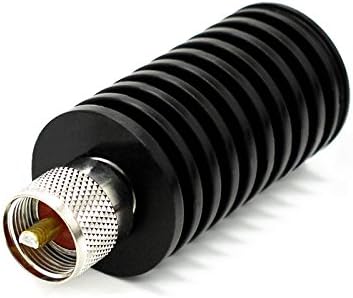


The BECEN 100 Watt PL259 Dummy Load stands out as a top choice for operators needing reliable termination for high power transmitters. With a strong rating and engineered specs this model handles demanding applications without compromising signal quality during calibration.
We may earn a commission when you buy through this link, at no additional cost to you.
Its ability to manage continuous 100W power across a broad DC to 1GHz range makes it versatile for both UHF transmitters and broadcast systems. The silver-plated contacts provide superior conductivity which is critical for maintaining low loss at higher frequencies.
While it is not the cheapest option on the market the optimized heat dissipation fins ensure stable operation during extended use. This trade-off is acceptable given the reliability it offers for serious enthusiasts who prioritize performance over initial savings.
If you are looking for a robust solution for commercial educational or broadcast workflows this dummy load is an excellent investment. It balances power handling with precision making it a recommended pick for those who need consistent results.
The ultra-low VSWR of less than 1.2 ensures minimal reflection so your measurements remain accurate even under stress.
Silver-plated pins offer better performance than standard copper especially when working with high frequency signals.
We may earn a commission when you buy through this link, at no additional cost to you.
The XRDS-RF 200W PL259 UHF Male RF Dummy Load is designed for serious ham radio operators who need more than standard power ratings. Its high wattage capacity and solid build quality make it a premium choice for rigorous testing environments.
We may earn a commission when you buy through this link, at no additional cost to you.
With a frequency range extending to 520MHz and a VSWR of under 1.2 this unit provides accurate termination for tuning transmitters safely. The air-cooled resistive unit design allows it to dissipate heat effectively during long testing sessions.
The main trade-off is its physical size and cost which are necessary for handling 200 watts safely. For users who push their equipment to the limit this reliability is well worth the investment and extra space required.
Anyone needing a self-contained solution for high power amateur rigs will find this dummy load invaluable. It attaches easily to the PL259 connector and delivers consistent performance that meets professional standards.
The 200-watt capacity ensures you can test high power transmitters without risking damage to your gear or the load.
Nickel plated copper shells and silver plated inner needles ensure longevity and stable electrical characteristics over time.
We may earn a commission when you buy through this link, at no additional cost to you.
The 10W SMA Dummy Load offers an incredibly affordable entry point for those who need basic RF termination for low power devices. Its perfect rating and compact design make it a favorite for technicians and hobbyists working with modern equipment.
We may earn a commission when you buy through this link, at no additional cost to you.
While it uses an SMA connector instead of PL259 it covers a remarkable frequency range up to 3GHz which is ideal for testing signal generators and receivers. The precise 50 ohm impedance minimizes loss and distortion during calibration.
The limitation is clear as it cannot handle high power output so it is not suitable for full power transmitter testing. However for lab environments or accessory verification its portability and cost make it a valuable tool to have.
If you are working with smaller RF setups or need a backup termination option this load is hard to beat. It integrates seamlessly with SMA equipment and delivers reliable results for tuning and system checks.
The DC to 3GHz range allows you to test a broad spectrum of equipment without needing multiple specialized loads.
Its small size makes it easy to pack into a field kit for technicians working on site.
We may earn a commission when you buy through this link, at no additional cost to you.
This XRDS-RF model delivers consistent performance for standard amateur radio applications where 100 watts is sufficient. It provides a dependable connection for testing without the need for advanced features found in higher-end units.
We may earn a commission when you buy through this link, at no additional cost to you.
The DC to 520MHz range covers most CB and ham needs ensuring that your signals are terminated correctly across the bands. The nickel plated copper shell offers some protection against corrosion which helps maintain contact quality over time.
It lacks some of the specialized heat management or connector optimizations of premium models but it gets the job done reliably. For users who need a straightforward solution without extra complexity this is a logical choice.
If you are setting up a base station or mobile rig for regular use this dummy load provides the necessary safety and accuracy. It is a practical option for those who want reliable testing without overspending.
The PL259 male plug fits most amateur radio antennas and test equipment so you can connect easily.
Maintaining 50 ohm impedance ensures that your SWR readings remain accurate during transmitter tuning.
We may earn a commission when you buy through this link, at no additional cost to you.
This variant from XRDS-RF offers a similar specification set to the other 100W model but with slight packaging differences. It remains a strong contender for amateur operators looking for a self-contained resistive unit that connects directly to rigs.
We may earn a commission when you buy through this link, at no additional cost to you.
The 50 ohm impedance and DC to 520MHz range ensure compatibility with most radio equipment you might encounter. The air-cooled design helps prevent overheating during routine tests which extends the life of the internal components.
It does not offer significant advantages over the other 100W options so choice may come down to availability or price. However it still provides the reliability needed for safe transmitter operation without risking interference.
For those who prefer the XRDS brand for their consistency this model is a safe bet for everyday use. It handles standard testing tasks well and integrates smoothly into your radio shack setup.
Passive cooling allows the unit to handle heat without fans or external power requirements.
The design allows easy attachment to the male PL259 connector on the back of most radios.
We may earn a commission when you buy through this link, at no additional cost to you.
The Diamond Antenna DL30A is designed specifically for operators who need a compact solution for mobile or tight-space installations. Its durable construction ensures it can withstand the vibrations and conditions of a mobile environment.
We may earn a commission when you buy through this link, at no additional cost to you.
Engineered to maintain proper impedance and minimize reflection this load provides accurate measurements for effective tuning and equipment testing. The standard connectors make it compatible with a variety of mobile and amateur radios.
While it may not handle the highest power levels like some larger units it is optimized for safe and effective testing within its range. This makes it ideal for routine checks without needing bulky equipment.
If you are a technician or enthusiast working with mobile setups this compact load offers a convenient and reliable tool. It simplifies the testing process while ensuring your equipment remains safe during calibration.
Testing without emitting RF signals protects you and others from interference during calibration.
Premium materials ensure the load remains stable even under high power output conditions.
We may earn a commission when you buy through this link, at no additional cost to you.
This 50W dummy load delivers high-quality workmanship and perfect materials that provide excellent heat dissipation performance for low power users. It is an ideal choice for operators who do not need high wattage handling but want reliability.
We may earn a commission when you buy through this link, at no additional cost to you.
The DC to 520MHz frequency range covers most CB and ham needs while the VSWR ensures minimal reflection for accurate measurements. The PL259 UHF male connector is standard so integration into your system is straightforward.
Since it is limited to 50 watts it is not suitable for full power transmitter testing but it excels in lower power scenarios. This trade-off allows for a more compact and affordable unit that serves well for maintenance.
For hobbyists or those with low power rigs this load offers a practical solution for safe testing and calibration. It is designed to handle daily use and maintains consistent performance over time.
The design ensures heat is dissipated efficiently so the unit stays stable during use.
A VSWR of 1.20 ensures that your readings are accurate during tuning sessions.
We may earn a commission when you buy through this link, at no additional cost to you.
The XRDS-RF 50W PL259 model builds on the strengths of the brand with silver plated copper internals and a nickel plated outer shell. This combination provides reliable conductivity and protection against environmental factors.
We may earn a commission when you buy through this link, at no additional cost to you.
With a working temperature range from -55 to 125 Celsius this unit is ready for extreme conditions whether indoors or outdoors. The DC to 520MHz frequency range ensures it covers the essential bands for most amateur operators.
It shares many specifications with other 50W loads but the material choice often provides a slight edge in performance. This makes it a solid pick for those who value durability in their test equipment.
If you need a robust solution for regular tuning and calibration this dummy load is a dependable tool. It maintains its performance over time and connects easily to standard setups.
Silver plating on the inner needle improves conductivity and reduces signal loss at frequency.
The wide temp range ensures operation in diverse environments without performance degradation.
We may earn a commission when you buy through this link, at no additional cost to you.
This XRDS-RF model excels in low power applications with a nearly perfect rating that reflects high customer satisfaction. Its efficient heat dissipation design ensures stable operation during prolonged use without overheating.
We may earn a commission when you buy through this link, at no additional cost to you.
Maintaining a consistent 50 ohm impedance this load provides reliable termination for RF testing and calibration. The UHF male connector makes it easy to integrate into standard equipment setups for quick tests.
While it cannot handle high power output it is ideal for precise calibration tasks where accuracy is more critical than wattage. This trade-off allows for a compact and responsive unit that performs well in lab settings.
If you are focused on equipment verification or working with low power transmitters this load is an excellent choice. It offers the stability needed for precise measurements and durable construction for longevity.
The consistent impedance ensures your test results are accurate for equipment verification.
The design keeps the unit small while still managing heat effectively during operation.
We may earn a commission when you buy through this link, at no additional cost to you.
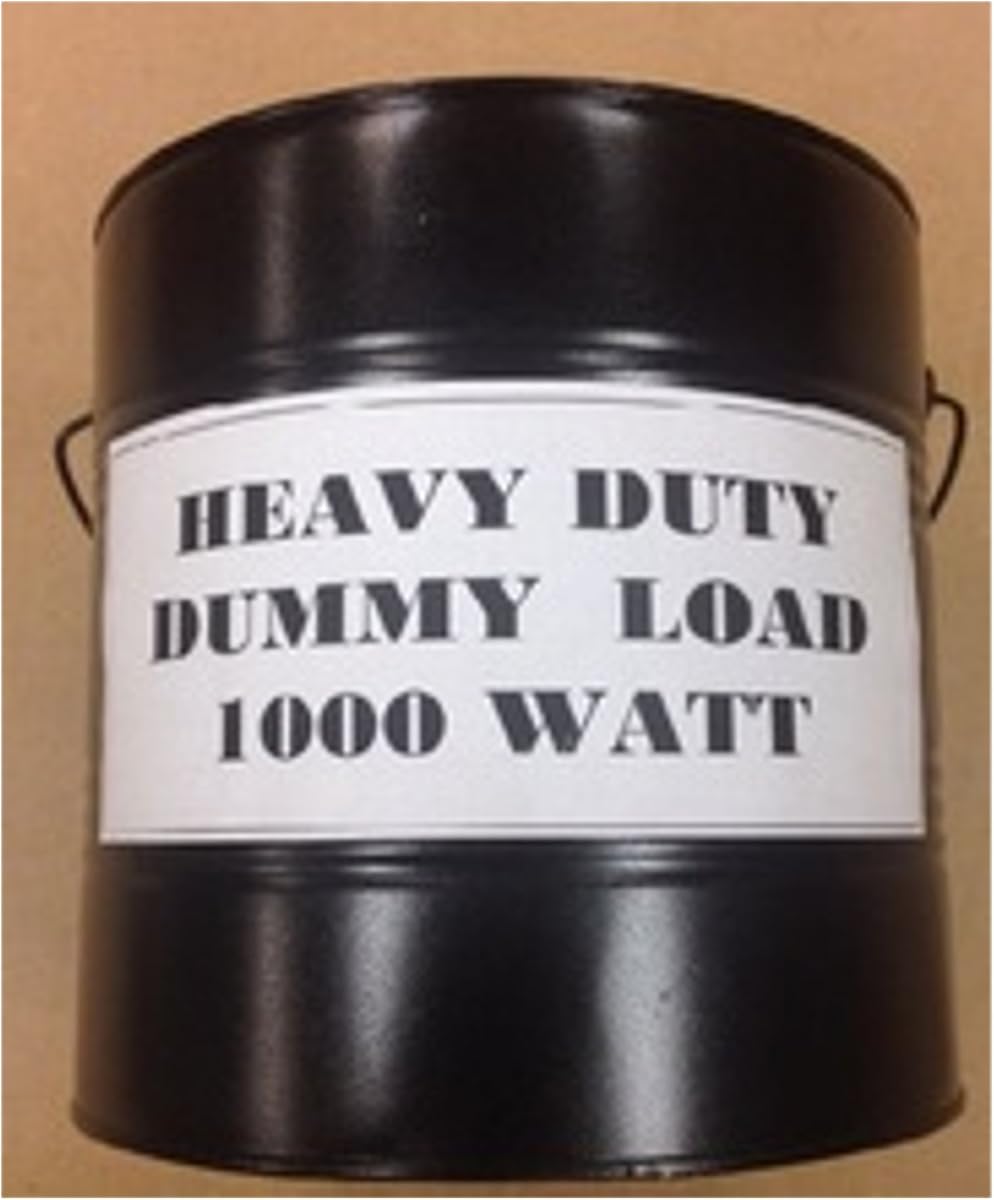
This 1000 watt can dummy load is a heavy-duty option for operators who need to test high power transmitters safely. Its robust design and rust proof powder coat make it suitable for demanding environments.
We may earn a commission when you buy through this link, at no additional cost to you.
The 1 gallon can style allows for motor or mineral oil filling which helps dissipate heat efficiently during high power bursts. This setup ensures that the load can handle sustained output without degrading.
However it does not come with the oil so you must source it separately which adds to the setup effort. The frequency range is limited to 0-30 MHz which is suitable for HF but not for VHF work.
If you are running high power CB or amateur rigs this load provides the necessary safety for tuning. It is best suited for stationary installations where its size and filling requirements are manageable.
Using oil for cooling allows the load to handle higher power levels without overheating.
The powder coat coating ensures the unit resists corrosion even in humid conditions.
We may earn a commission when you buy through this link, at no additional cost to you.
Selecting the right dummy load involves balancing several technical factors to ensure your testing setup is both safe and accurate.
The power rating of a dummy load indicates the maximum wattage it can absorb without overheating or failing. Always choose a load with a continuous power rating that exceeds your transmitter's output by a safety margin to ensure longevity and accurate testing.
Select a dummy load with a power rating higher than your transmitter's maximum output.
Frequency range determines which bands the dummy load can accurately terminate. Most CB and ham operations occur between 27 MHz and 520 MHz but some modern setups may require higher frequency support for calibration tools.
Check the frequency range to ensure it covers your operating bands and test equipment needs.
The connector type must match your radio and test equipment to avoid adapters that introduce signal loss. PL259 UHF is the most common for amateur radio but some modern devices use SMA or N-type connectors.
Verify the connector type matches your equipment to avoid extra adapters and signal loss.
Voltage Standing Wave Ratio (VSWR) measures how efficiently the load absorbs RF energy. A lower VSWR close to 1.0 indicates minimal reflection which is critical for accurate tuning and calibration results.
Look for a VSWR of 1.2 or lower to ensure minimal signal reflection.
Standard radio equipment operates at 50 ohms impedance so a dummy load must match this to prevent signal loss. Mismatched impedance can lead to inaccurate SWR readings and potential damage to your transmitter.
Ensure the dummy load has a 50 ohm impedance to match your equipment.
Effective heat dissipation is vital for maintaining performance during prolonged testing. Some models use air-cooled resistive units while others may use oil-filled cans for heavy power scenarios.
Choose a design with adequate heat dissipation for your usage duration.
Build quality affects the lifespan of the dummy load especially in mobile environments. Look for features like nickel plating or robust housing that resist corrosion and physical damage.
Prioritize materials like plated metals and durable housing for longevity.
Physical size matters if you plan to move the load between locations or mount it in tight spaces. Larger units handle more power but may be cumbersome for field use.
Select a size that fits your storage and transport needs.
Connect the dummy load securely to your transmitter's antenna port using the appropriate coaxial cable. Ensure the connection is tight to prevent signal leaks during testing.
Turn on your transmitter at reduced power initially to monitor the load temperature. If the unit becomes excessively hot reduce power or allow it to cool before continuing.
Store the dummy load in a dry place to avoid corrosion. If it is an oil-filled model check for leaks periodically and top off fluid as needed.
A dummy load absorbs RF energy from a transmitter allowing you to test and calibrate equipment without broadcasting signals. This prevents interference and protects sensitive components during tuning.
Choose a dummy load with a continuous power rating that exceeds your transmitter's maximum output. This ensures safe operation even during extended testing sessions.
No, dummy loads are rated for specific frequency ranges. Using one outside its rated range can lead to poor performance or failure so always check the specs.
VSWR measures how much signal is reflected back to the transmitter. A low VSWR ensures accurate readings and protects your equipment from damage.
Yes, dummy loads convert RF energy into heat so they will warm up during testing. High power loads may get hot enough to cause burns so handle with care.
The PL259 UHF connector is the standard for most CB and amateur radios. Ensure your dummy load matches this connector for easy integration.
Keep the dummy load clean and dry. Inspect connectors for damage and check oil levels if it is an oil-filled model to ensure continued performance.
Yes, compact dummy loads are designed for mobile use. Secure the unit to prevent movement and ensure it is mounted away from heat sources.
This guide highlighted ten top-rated dummy loads that balance power handling connector quality and durability for different operator needs. Whether you need a compact low power unit or a high wattage solution there is a match here for your setup.
Prioritize power rating and frequency range when making your decision to ensure safety and accuracy. Also consider the connector type and build quality to avoid issues during testing.
Prices and availability change frequently so check current listings before buying. With the right dummy load you can tune your equipment confidently and safely.