
Handheld Fish Finder Portable Fishing Kayak
4.2Editor score
Portable neck strap included
Supports fresh and salt water
Simple toss and use operation
Finding the right depth finder does not have to break the bank. Modern technology offers reliable sonar tools at entry level prices. Anglers can now access clear bottom contours and fish location data on a budget.
We evaluated ten popular models based on display quality sonar accuracy ease of use and durability. Our selection covers handheld units portable fish finders and fixed mount options suitable for various watercraft.
Each pick highlights key strengths ideal use cases and potential limitations to help you decide. Remember that availability and pricing may change so check the latest listings before purchasing your next unit.
4.2Editor score
4.5Editor score

4.5Editor score
As an Amazon Associate we earn from qualifying purchases.
The following table provides a side-by-side overview of specifications features and capabilities for each of the ten selected depth finders to simplify your comparison process.


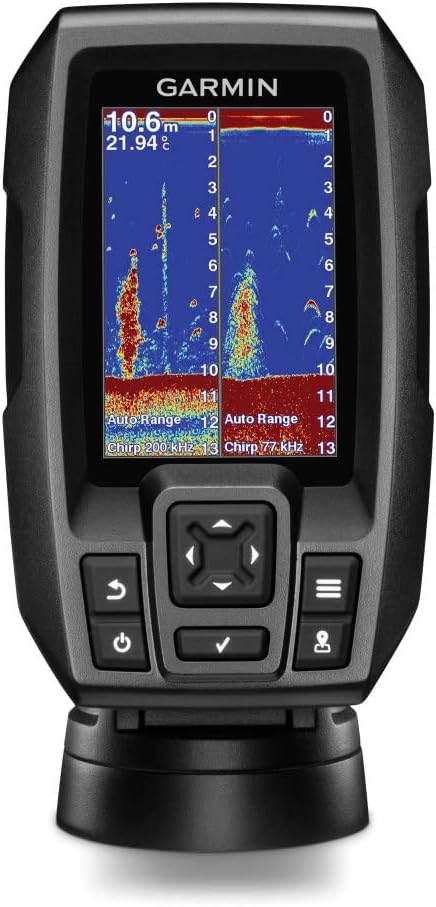
The Garmin Striker 4 earns its spot as the top overall choice by balancing performance and ease of use effectively. It offers a high frequency sonar system that produces near photographic images of underwater structures and fish.
We may earn a commission when you buy through this link, at no additional cost to you.
Key strengths include the ClearVu scanning sonar which provides detailed representations of objects and fish. The dedicated buttons make navigation simple even for beginners. You can also use the waypoint map to mark specific fishing spots.
While the screen is only 3.5 inches it remains readable in sunlight. The trade-off is limited screen real estate compared to larger models but the device maintains solid depth readings up to 1600 feet in freshwater.
Anglers looking for a reliable entry level unit that delivers clear data without complexity should consider this model. It is an excellent fit for those who value straightforward operation and proven sonar technology.
High frequency sonar provides near photographic images for detailed object and fish representation.
Dedicated buttons ensure easy operation and quick access to essential sonar functions.
We may earn a commission when you buy through this link, at no additional cost to you.
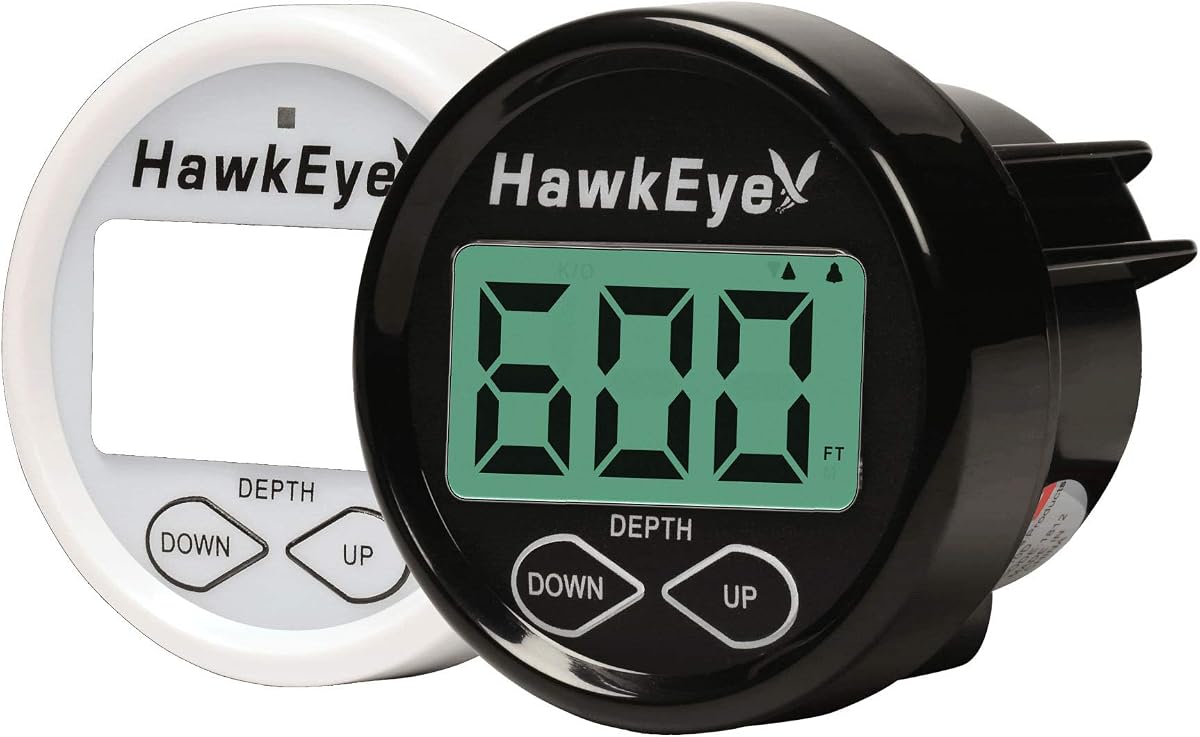
The DepthTrax 2B stands out for boaters who need a reliable digital depth finder that installs directly into the dashboard. It delivers uninterrupted depth readings on a large display visible even at high speeds.
We may earn a commission when you buy through this link, at no additional cost to you.
This unit features a polarized LCD icon display that reduces glare and allows spot free viewing with or without sunglasses. The algorithmic programming helps significantly reduce false readings for unmatched precision.
A limitation to note is the glue-in installation suitability which is restricted to non-cored fiberglass or thin aluminum hulls. This might complicate installation for some vessel types compared to standard transom mounts.
If you prioritize a clean dashboard look and accurate readings on the move this model is worth consideration. It is a solid choice for small boats and personal watercraft needing straightforward depth tracking.
Ultra bright red LED and polarized LCD ensure clear visibility in bright sunlight conditions.
Audible alarm and LED warning light provide clear signals for depth alarm conditions.
We may earn a commission when you buy through this link, at no additional cost to you.
The Hawkeye DT1H is designed for anglers who want a simple tool to check water depth and temperature without the bulk of a fish finder. It is a classic handheld unit that fits easily in a tackle box.
We may earn a commission when you buy through this link, at no additional cost to you.
Its key strength lies in its simplicity and portability making it ideal for quick checks while walking the shoreline or wading. The temperature function helps identify thermoclines that often hold fish.
The depth range is limited to 300 feet which is sufficient for most inland waters but may not cover deep lake scenarios. The display is functional but lacks advanced imaging found in higher priced units.
This device is best suited for budget conscious anglers who value basic data on the go. It offers a reliable way to gauge conditions without investing in a larger system.
Built-in temperature reading helps identify thermoclines and optimal fishing zones.
Handheld form factor allows easy transport and quick deployment from shore or kayak.
We may earn a commission when you buy through this link, at no additional cost to you.
This Handheld Fish Finder represents the most accessible entry point for anglers new to sonar technology. It provides basic depth and fish location data in a lightweight package that fits anywhere.
We may earn a commission when you buy through this link, at no additional cost to you.
Its affordability makes it a low risk test for kayak or shore fishing. The included neck strap ensures you can keep your hands free while monitoring the display during active fishing sessions.
The battery life is modest lasting about four to five hours with new batteries. This is acceptable for short trips but may require spare batteries for longer days on the water.
For those who need a simple tool to verify water depth and locate schools without spending much this model is a practical choice. It is a great starter device for casual anglers.
Included neck strap allows you to wear the unit hands free while busy on a kayak.
The unit works reliably in both fresh water and salt or sea water environments.
We may earn a commission when you buy through this link, at no additional cost to you.
The LUCKY Kayak Portable is tailored specifically for anglers on small craft where space is limited. It offers a compact design that fits comfortably in one hand while displaying essential fishing data.
We may earn a commission when you buy through this link, at no additional cost to you.
Features like backlit display and switchable units make it versatile across different environments and user preferences. The sensitivity adjustment helps clear murky water conditions better than static units.
Some users may find the fish alarm too loud or distracting during calm waters but it is customizable. The battery life is decent and can be extended with the power saving mode.
Kayakers who want a dedicated portable solution that balances cost and performance will appreciate this model. It provides the essentials needed for structure fishing without the bulk of a full system.
Size is designed to be held and operated comfortably with just one hand on the water.
Backlight function ensures visibility in both bright sunshine and dark night conditions.
We may earn a commission when you buy through this link, at no additional cost to you.
Humminbird is a trusted name in marine electronics and the PiranhaMAX 4 continues that reputation with reliable dual beam sonar capabilities. This unit offers flexibility in coverage area and detail level.
We may earn a commission when you buy through this link, at no additional cost to you.
The tilt and swivel mount allows you to adjust your viewing angle quickly without tools. This convenience is helpful when moving between different fishing spots or sharing the boat with others.
While it does not have advanced color imaging the sonar clarity is sufficient for most freshwater and saltwater fishing needs. The included transducer simplifies the initial purchase process.
Anglers who prefer established brands and straightforward functionality will find this device reassuring. It offers a stable platform for learning sonar basics without overwhelming technical features.
Choose from narrow or wide beams to optimize detail or coverage for different conditions.
Tilt swivel mount enables quick angle changes to suit user preferences or seating.
We may earn a commission when you buy through this link, at no additional cost to you.
The Lowrance Eagle Fish Finder emphasizes ease of use with Auto-Tuning Sonar that optimizes settings automatically. This reduces the need for manual adjustments and lets you focus on fishing.
We may earn a commission when you buy through this link, at no additional cost to you.
Its 4 inch IPS screen stays clear in bright sunlight and works well with polarized sunglasses. The wide viewing angles make it easy to see data from different positions in the boat.
The portrait design is compact and ideal for limited spaces on smaller vessels. While it lacks advanced mapping the simple fish icons make identification intuitive for beginners.
Users who value plug-and-play simplicity and clear displays will appreciate this unit. It removes the complexity of setup making it a strong contender for casual fishing trips.
Optimized settings automatically provide clear sonar images with minimal user intervention.
View fish icons with depth and zoom for a closer look without audible alarms.
We may earn a commission when you buy through this link, at no additional cost to you.
This unit stands out for its contour readout display which helps visualize bottom structures and changes in real time. It updates data frequently to ensure you have current depth information while moving.
We may earn a commission when you buy through this link, at no additional cost to you.
The included attracting fish lamp offers an additional tool for engaging light sensitive fish though it may not work on all species. It adds a unique feature not often found in budget units.
The device is water resistant and durable enough for splashing and light aquatic environments. This durability makes it suitable for snorkeling or diving as well as fishing applications.
Anglers looking for extra utility in a portable package will find this device appealing. It combines essential depth tracking with unique tools that might give you an edge in specific conditions.
Contour readout displays bottom shapes to help identify promising structure for fish.
Two-color lure lamp may attract light sensitive fish during specific fishing scenarios.
We may earn a commission when you buy through this link, at no additional cost to you.
The LUCKY Kayak Portable Wireless offers a massive operational range of up to 853 feet which is among the longest available in its class. This gives anglers freedom to cast sensors far from shore or boat.
We may earn a commission when you buy through this link, at no additional cost to you.
Its castable design means you can tie the sensor to your line like a bobber and retrieve it easily. There is no complex wiring or drilling required making setup fast and non invasive.
While the price is higher than basic units the convenience of wireless operation and rechargeable battery justifies the cost for many. It turns guesswork into success by showing exact fish depth.
For tech savvy anglers who want modern convenience this model is a top contender. It represents a step up in capability for those willing to pay a premium for wireless freedom.
Experience ultimate freedom with no wires and up to 853 feet of operation range.
The screen scrolls continuously to show a history of what passed under your sensor.
We may earn a commission when you buy through this link, at no additional cost to you.
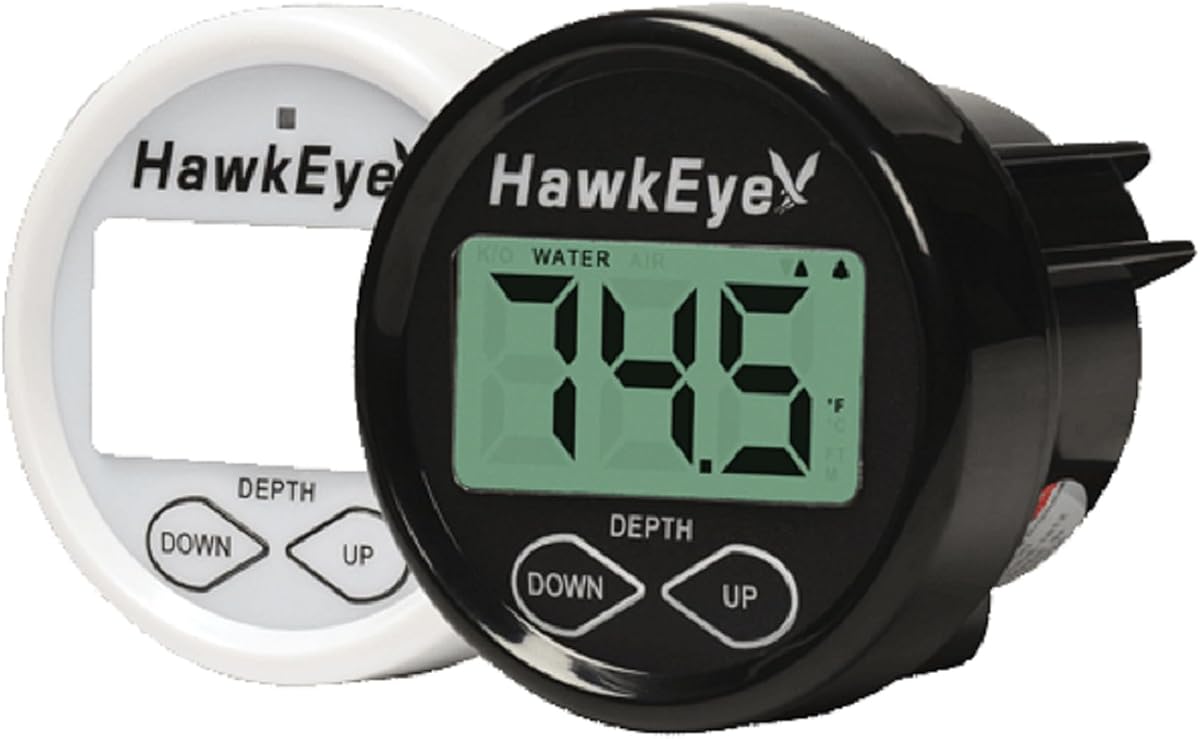
The HawkEye DT2BX-TM provides both air and water temperature readings on a large in-dash display that remains clear in sunlight. It is a robust solution for those wanting full environmental data.
We may earn a commission when you buy through this link, at no additional cost to you.
Installation requires a 2 inch hole for flush mounting which may be a consideration for existing boat dashboards. However once installed it offers a seamless look integrated with your vessel.
The included transom mount transducer comes with 30 feet of cable to reach most vessels. The algorithmic programming ensures precision and reduces false alarms during active fishing.
Boat owners seeking a comprehensive dashboard solution with reliable depth tracking will value this model. It delivers essential data on air and water conditions without needing multiple devices.
Shows both air and water temperature in Fahrenheit or Celsius on the LCD.
No glare polarized display allows spot free viewing with or without sunglasses.
We may earn a commission when you buy through this link, at no additional cost to you.
Selecting the right depth finder involves weighing your specific fishing needs against available features and budget constraints.
Look for CHIRP sonar if you want detailed images as it sends a continuous sweep of frequencies for better target separation. Standard sonar is cheaper but CHIRP offers crisper arches and clearer structures.
Choose CHIRP or high frequency sonar for clearer underwater images and better fish identification in various water conditions.
Display sizes range from handheld small screens to larger fixed units. Larger screens are easier to read but handheld ones save space on kayaks or small boats. Ensure the screen is glare-free.
Prioritize a display that is readable in sunlight and glare-free especially if you fish during bright daylight hours.
Most affordable units cover depths up to 300 to 600 feet which is sufficient for inland lakes. If you fish deep offshore waters check for units that support greater depths or saltwater calibration.
Ensure the depth range matches your fishing locations as deeper waters require sensors with extended range capabilities.
Decide between in-dash, transom, or handheld mounting. In-dash offers stability while handheld units offer maximum portability for shore fishing or kayaking.
Select a mounting style that fits your vessel size and how often you move your equipment between different boats.
Some models provide both water and air temperature readings which help identify thermoclines where fish often gather. This feature adds value for anglers who track environmental conditions closely.
Look for temperature sensors if you rely on thermal data to determine fish activity and feeding patterns.
Handheld devices run on AA or AAA batteries while fixed units often use a boat's 12 volt system. Check battery life estimates to avoid running out mid-trip.
Consider battery replacement costs or rechargeable options for longer usage sessions on the water.
Simple interfaces with dedicated buttons are easier for beginners than complex menus. Look for Auto-Tuning or presets if you want to start fishing immediately.
Opt for units with straightforward setups to reduce time spent adjusting settings and increase time spent fishing.
Choose established brands that offer warranties and customer support for reliability. Cheaper unknown brands may lack service options if the unit fails.
Verify warranty terms and support availability to ensure peace of mind with your purchase investment.
To begin using your depth finder secure the transducer according to the manual. For fixed units ensure the cable is connected properly and the power is stable before turning on the unit.
Once the unit powers on set the desired units such as feet or meters and adjust sensitivity if needed. Calibrate the device in open water to get accurate baseline readings.
Store your depth finder in a cool dry place away from direct sunlight. Clean the display and transducer with fresh water after each use to prevent salt buildup or damage.
Yes many budget friendly depth finders are designed for both fresh and salt water use. Always check the product specifications to confirm saltwater compatibility and ensure any sensors are corrosion resistant.
Portable depth finders typically read up to 300 to 600 feet depending on the model. Some higher end portable units can reach greater depths but most budget models cap at standard inland limits.
Not necessarily if you only care about depth and fish location. However if you want to mark waypoints and return to spots then a model with built-in GPS will be more useful for your needs.
Most handheld units use standard AAA or AA batteries for convenience. Some newer models offer rechargeable options which can reduce long term costs but check compatibility before purchasing replacements.
Yes handheld and castable models do not require drilling. In-dash units require holes but transom mounts often use clamps or adhesives that avoid permanent modifications to your boat or kayak.
Most affordable depth finders use sonar rather than cameras. Cameras are typically more expensive and require separate mounting. If you want visual imaging consider a unit with CHIRP sonar for clearer images.
We found that the Garmin Striker 4 offers the best balance of features and reliability for most anglers. For tight budgets the handheld options provide essential data without breaking the bank.
Prioritize your needs such as portability or screen clarity before purchasing. A unit that fits your fishing style will serve you better than a more expensive model that feels unnecessary.
Always check the latest availability and pricing online as deals change frequently. Select a trusted seller to ensure warranty support and timely delivery for your new gear.