
RK ROYAL KLUDGE S98 Wireless Mechanical Keyboard
4.4Editor score
Smart display for status info
Hot-swappable PCB design
Tri-mode wireless connection
Discover the top 10 keyboards for developers in 2026 with expert reviews comparing features, performance, and value to find the perfect typing tool for coding.
Choosing the right keyboard for developers can significantly impact productivity and comfort during long coding sessions. A well-designed mechanical keyboard offers tactile feedback, customization options, and durability essential for programmers working across multiple environments and operating systems.
This guide compares ten top-rated keyboards selected for their build quality, connectivity options, and programmability. We evaluated factors like switch type, key layout, wireless performance, and software support to ensure each pick meets the rigorous demands of modern software development workflows.
Each review highlights standout features, pros, and cons to help you make an informed decision. Note that product availability and pricing may change over time, so verify current details before purchasing to ensure you get the best value for your specific development needs.
4.4Editor score

4.6Editor score

4.3Editor score
The following table provides a side-by-side comparison of all ten keyboards evaluated in this guide. It highlights key specifications such as layout size, connectivity types, switch compatibility, and unique features to help you quickly identify which model aligns best with your development requirements and budget constraints.




The Keychron V5 Max stands out as the top pick for developers needing a versatile wireless mechanical keyboard. With a 4.6 rating, it delivers a premium typing experience combining compact design with essential number pad functionality for data entry tasks.
We may earn a commission when you buy through this link, at no additional cost to you.
Its standout feature is the QMK support allowing deep customization through a browser-based launcher. You can remap keys or create macros without installing heavy software. The hot-swappable design lets you swap switches easily to tailor tactile feedback to your coding style.
While the build quality is impressive with sound-absorbing foam, some users find the stock keycaps slightly slippery. The wireless connection is stable though battery life may require frequent charging for heavy daily users. These minor issues do not detract from its overall performance.
Developers who value flexibility and cross-platform compatibility will find this keyboard ideal. It balances portability with full functionality making it perfect for hybrid work environments. We recommend it as the best all-around choice for professional coding workflows.
The V5 Max allows unlimited key remapping via the Keychron Launcher web app. This flexibility supports complex macro creation essential for efficient coding workflows across different operating systems.
With 2.4GHz and Bluetooth 5.1 options, the keyboard ensures stable connections. The 1000 Hz polling rate in wired mode reduces latency for responsive typing during intense development sessions.
We may earn a commission when you buy through this link, at no additional cost to you.
The Logitech MX Keys S offers a unique alternative for developers preferring low-profile keys over traditional mechanical switches. Rated at 4.4, it provides a laptop-like typing experience with added customization and multi-device capabilities essential for modern workflows.
We may earn a commission when you buy through this link, at no additional cost to you.
Its spherically-dished keys enhance typing comfort during long sessions. The smart illumination feature lights up when hands approach and adjusts to ambient lighting. Logi Options+ software allows creating custom shortcuts to automate repetitive tasks efficiently across systems.
While it lacks the tactile feedback of mechanical switches, the quiet operation suits open offices. The price point is higher than many mechanical options. However, the comfort and ecosystem integration justify the cost for users prioritizing ergonomics over customization.
Developers seeking a sleek and comfortable keyboard will appreciate the MX Keys S. It excels in professional settings where noise reduction matters. We recommend it for those who prefer familiar laptop-style typing with enhanced productivity features.
The low-profile design reduces wrist strain during extended typing. Spherically-dished keys cradle fingertips for a more natural typing position supporting better posture over time.
Logi Options+ app enables automation and custom macros. These features streamline workflows by reducing keystrokes for common tasks like opening terminal windows or toggling between apps.
We may earn a commission when you buy through this link, at no additional cost to you.
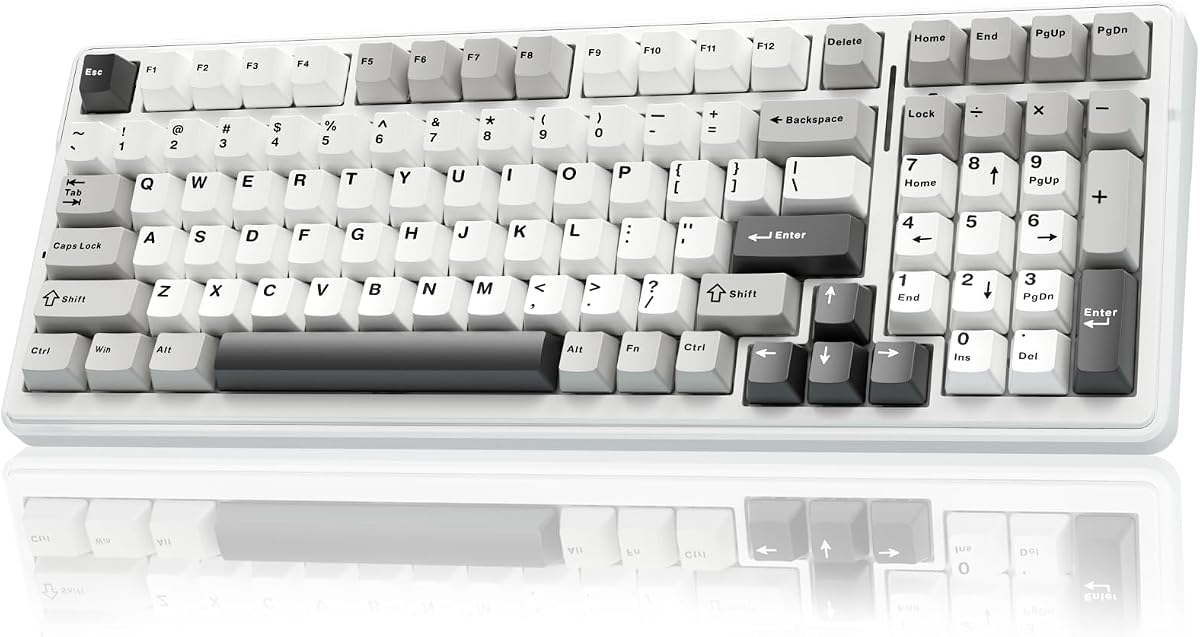
The RK ROYAL KLUDGE S98 delivers exceptional value for developers wanting a wireless mechanical keyboard without breaking the bank. With a 4.4 rating, it stands out for its unique smart display and robust feature set at a budget-friendly price point.
We may earn a commission when you buy through this link, at no additional cost to you.
The small screen displays connection mode, battery status, and layouts dynamically. A multi-function knob controls volume and brightness intuitively. The hot-swappable PCB allows easy switch changes. Sound-absorbing foams reduce hollow noise improving the acoustic profile significantly.
Software customization lags slightly behind premium brands. Stabilizers often benefit from tweaking for optimal smoothness. Despite these minor trade-offs, the build quality and feature density are impressive. It provides a solid platform for customizing typing preferences.
Budget-conscious developers will find the S98 a compelling choice. It bridges the gap between affordability and high-end features. We recommend it for those wanting to experiment with mechanical keyboards and customization affordably.
The OLED screen adds visual feedback for connection status and settings. This innovation makes managing multiple devices easier without needing to check indicator lights constantly.
Multiple foam layers dampen key switch noise effectively. This creates a creamy sound profile preferred by enthusiasts without additional modifications.
We may earn a commission when you buy through this link, at no additional cost to you.
The Logitech MX Mechanical combines tactile mechanical feedback with a low-profile design for a unique typing experience. Rated 4.2, it targets professionals seeking a balance between ergonomic comfort and precise mechanical feedback in a premium package.
We may earn a commission when you buy through this link, at no additional cost to you.
Its tactile quiet switches provide a bump without excessive noise. The keys illumination adapts to surroundings. Flow technology allows seamless text transfer across up to three devices. The brushed aluminum top case adds durability and style.
The main drawback is the high price and proprietary software limiting customization compared to open-source options. Switch selection is fixed to Logitech's tactile model. Users wanting deep customization may find it restrictive. However, the build quality remains top-tier.
Developers prioritizing comfort and ecosystem integration will appreciate this keyboard. It excels for office environments needing quiet mechanical feedback. We recommend it for users invested in the Logitech ecosystem willing to pay a premium for quality.
The low-profile mechanical switches reduce finger travel distance. This design lessens strain during rapid typing sessions offering mechanical precision without the bulk of traditional keyboards.
Flow feature enables seamless movement of mouse cursor and files between PCs. This streamlines workflows for developers managing code repositories across different machines.
We may earn a commission when you buy through this link, at no additional cost to you.
The Keychron V6 is a wired powerhouse for developers seeking deep customization without breaking the bank. Rated 4.6, it offers a full-size layout with QMK VIA support making it highly adaptable to diverse coding workflows and personal preferences.
We may earn a commission when you buy through this link, at no additional cost to you.
Its acoustic silicone pads and foam reduce typing noise significantly. The hot-swappable PCB allows switch upgrades easily. Double-shot PBT keycaps resist wear and shine over time. The knob version adds convenient control for media and volume adjustments.
Without wireless connectivity, it limits portability. The fixed cable can be a hassle for some setups. However, the stability of wired connection ensures zero latency. The build quality rivals more expensive models offering excellent value.
Wired-first developers wanting maximum flexibility will find the V6 ideal. It provides a solid foundation for customization and comfort. We recommend it for users prioritizing performance and programmability over wireless convenience.
The open-source firmware supports complex keymaps and macros. This allows tailoring the keyboard to specific coding environments without proprietary software installation.
Integrated foam and pads dampen internal noise effectively. This creates a satisfying thocky sound profile preferred by many mechanical keyboard enthusiasts.
We may earn a commission when you buy through this link, at no additional cost to you.
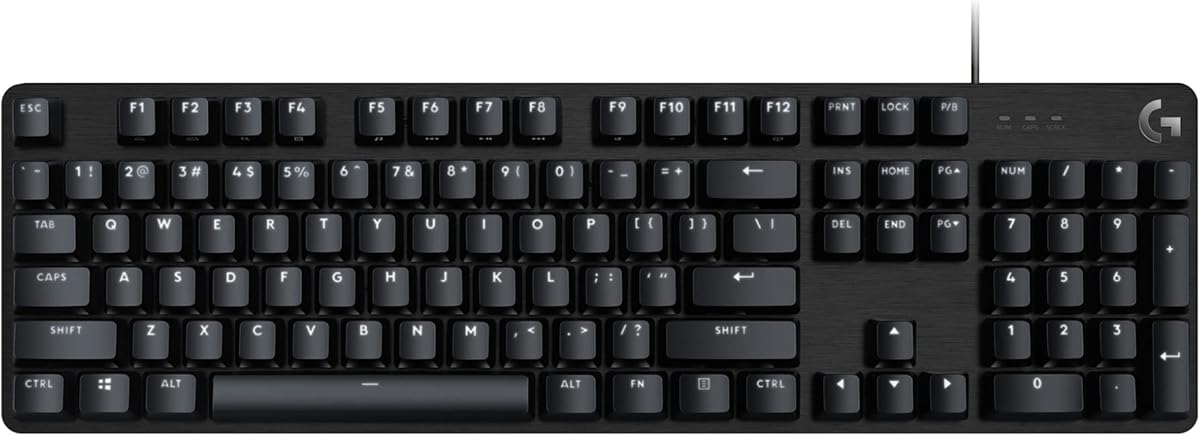
The Logitech G413 SE offers robust durability for developers who need a keyboard built to last. With a 4.5 rating, its gaming-focused design translates well to coding thanks to reliable tactile switches and a solid build quality.
We may earn a commission when you buy through this link, at no additional cost to you.
The PBT keycaps resist wear and shine far better than ABS. The brushed aluminum top case prevents flex during heavy typing. Media controls allow quick volume adjustments without interrupting workflow. Anti-ghosting ensures accurate input during rapid command entry.
It lacks deep programmability and software features found in custom keyboards. The aesthetic is more gaming-oriented than professional. However, for those prioritizing longevity and responsiveness, it serves as a reliable daily driver.
Developers needing a simple and durable keyboard will appreciate the G413 SE. It avoids complexity while delivering consistent performance. We recommend it for users who want a no-frills keyboard built for heavy daily use.
PBT keycaps and aluminum alloy construction ensure long life. These materials resist wear from constant keystrokes maintaining a professional look for years.
Tactile switches provide clear feedback for accurate typing. Anti-ghosting ensures every keypress registers even during complex command shortcuts.
We may earn a commission when you buy through this link, at no additional cost to you.
The AULA F75 Pro delivers a compact and feature-rich wireless experience for developers working with limited desk space. With a 4.6 rating, it stands out for its sound profile and hot-swappable flexibility at an accessible price point.
We may earn a commission when you buy through this link, at no additional cost to you.
Its 75% layout keeps essential arrow keys while shrinking the footprint. The 4000mAh battery supports weeks of use. Pre-lubed switches reduce scratchiness out of the box. Side-printed PBT keycaps offer a unique aesthetic that light shines through subtly.
Customization tools are less polished than established brands. Documentation could be clearer for complex setups. Despite this, the hardware quality impresses. The sound dampening layers make typing satisfying and quiet.
Space-conscious developers will love the F75 Pro's blend of features and compactness. It offers excellent value for wireless customization. We recommend it for users seeking a portable yet robust mechanical keyboard.
The large battery supports extended use across wireless modes. This ensures reliable connectivity for mobile development work without frequent recharging interruptions.
Multiple layers of foam dampen hollow noise effectively. This creates a consistent and creamy typing sound preferred by enthusiasts.
We may earn a commission when you buy through this link, at no additional cost to you.
The Keychron K10 HE introduces advanced Hall Effect technology for developers seeking cutting-edge performance. Rated 4.3, it offers rapid trigger and adjustable actuation points enabling unprecedented control and responsiveness during typing or gaming.
We may earn a commission when you buy through this link, at no additional cost to you.
Its magnetic switches detect keypresses without physical contact reducing wear. The wood sidings add a unique organic touch to the workspace. The Launcher web configurator allows deep customization of actuation distances and macros.
The high cost may deter casual users. Software setup can be finicky requiring browser cache clearing. However, the speed and durability benefits are significant. This keyboard represents the future of mechanical input technology.
Developers wanting top-tier customization and responsiveness will find the K10 HE unmatched. It bridges mechanical feel with digital precision. We recommend it for enthusiasts willing to invest in innovative technology.
Hall Effect switches use magnets instead of contacts increasing lifespan. This technology allows adjustable actuation points for tailored sensitivity.
Natural wood sidings provide a refined look. This aesthetic choice blends tech with warmth appealing to professional office environments.
We may earn a commission when you buy through this link, at no additional cost to you.
The AULA F99 balances functionality and size with its 96% layout retaining arrow keys and numpad. Rated 4.5, it appeals to developers needing data entry efficiency while saving desk space. The 8000mAh battery ensures weeks of continuous use.
We may earn a commission when you buy through this link, at no additional cost to you.
Its sound dampening layers provide a solid and quiet typing feel. Hot-swap support allows easy customization. Linear switches offer smooth gliding strokes perfect for rapid typing. RGB lighting effects can be customized to match your style.
The weight makes it less portable. The driver is functional but lacks polish. Despite these issues, the hardware reliability shines. It delivers a strong user experience for both work and gaming tasks.
Developers needing a full-function keyboard in a smaller form factor will appreciate the F99. We recommend it for users prioritizing battery life and layout efficiency over portability.
The 8000mAh battery supports weeks of use. This eliminates charging anxiety for frequent users and supports long remote work periods.
The 96% design keeps number pad utility. It saves desk space while maintaining essential keys for data entry tasks.
We may earn a commission when you buy through this link, at no additional cost to you.
The Keychron K3 V2 offers an ultra-slim portable option for developers on the go. With a 4.3 rating, it provides low-profile mechanical switches that reduce fatigue while maintaining the tactile feedback essential for coding efficiency.
We may earn a commission when you buy through this link, at no additional cost to you.
Its 75% layout fits easily in laptop bags. QMK firmware allows deep customization. The Broadcom Bluetooth chip ensures stable multi-device switching. A reinforced aluminum body keeps it lightweight yet durable for daily travel.
Battery life is shorter than some wireless rivals. Some users find low-profile keys cramped compared to standard height. However, the portability and build quality remain strong. It is a practical choice for hybrid work.
Developers needing a portable yet customizable keyboard will find the K3 V2 ideal. It balances slimness with functionality. We recommend it for those prioritizing travel friendliness and Mac compatibility.
The ultra-slim profile allows easy transport in bags. This makes it ideal for developers working remotely or traveling frequently for conferences.
Open-source firmware allows key remapping and macros. This flexibility ensures the keyboard adapts to specific coding workflows effectively.
We may earn a commission when you buy through this link, at no additional cost to you.
Selecting the right keyboard involves weighing layout preferences, connectivity options, and programmability. This guide breaks down the essential factors to consider before making your purchase.
Developers often benefit from compact layouts like 75% or 96% that retain arrow keys while saving desk space. Full-size keyboards offer number pads but require more room. Consider your desk size and whether you need a numpad for data entry tasks.
Choose a layout that balances essential keys with desk efficiency to reduce clutter and improve workflow ergonomics.
Mechanical switches come in tactile clicky linear and low-profile varieties. Tactile switches offer physical feedback that helps prevent typing errors. Linear switches provide smooth strokes for rapid typing. Low-profile switches mimic laptop feel but may lack traditional mechanical feedback.
Test different switch types to find the tactile response that matches your coding style and comfort level.
Wireless keyboards offer flexibility while wired ones ensure zero latency. Models with Bluetooth and 2.4GHz support allow seamless switching between laptops phones and tablets. Developers managing multiple machines benefit from multi-device pairing features.
Prioritize stable wireless modes if you switch devices frequently or prefer a cable-free setup.
Keyboards supporting QMK or VIA firmware allow deep customization without proprietary software. Macros can automate complex commands to improve productivity. Software-based customization may be easier for casual users but less flexible.
Select a keyboard with open-source firmware if you want full control over keymaps and shortcuts.
Aluminum cases and PBT keycaps offer better longevity than plastic alternatives. Look for features like sound dampening foams and gasket mounting for enhanced stability. Durability matters for devices used daily over years.
Invest in premium materials to ensure the keyboard withstands heavy typing and travel.
Wireless keyboards require rechargeable batteries ranging from days to months. Large capacity batteries reduce charging frequency. USB-C charging is standard. Some models offer long life even with backlighting active.
Choose a battery capacity that fits your usage patterns to avoid unexpected downtime.
Developers often switch between macOS Windows and Linux. Keyboards with dedicated function keys and dual-system keycaps simplify this transition. QMK support further enhances cross-platform usability.
Ensure the keyboard supports your primary OS and offers easy switching between them.
Low-profile and split designs can reduce wrist strain. Tilting stands and proper typing posture prevent fatigue. Ergonomic features matter during long coding sessions.
Prioritize comfortable typing angles and key travel to maintain long-term health and productivity.
Regularly clean your keyboard by removing dust with compressed air or a soft brush. For mechanical keyboards use a keycap puller to clean beneath keys every few months. This prevents debris buildup that affects switch performance.
Customize keymaps to suit your workflow using QMK or proprietary software. Assign complex commands to single keys to save time. Learn shortcuts for common tasks to maximize efficiency.
Store your keyboard properly when not in use to prevent damage. If wireless keep it charged in a dry place. Use protective cases for travel to maintain longevity and performance.
Mechanical keyboards often offer better tactile feedback and durability compared to membrane alternatives. This can reduce typing fatigue and errors during long coding sessions. Many developers prefer mechanical switches for their longevity and customization options.
Wireless keyboards reduce cable clutter allowing flexible desk setups and easier portability. They support multi-device switching for seamless transitions between computers. This is ideal for developers working across different machines daily.
Yes, many keyboards in this guide support QMK or VIA firmware for advanced key remapping. Even proprietary software allows setting macros and shortcuts. This customization helps automate repetitive coding tasks effectively.
The 75% and 96% layouts are popular as they retain essential arrow keys while saving space. Full-size options are better if you rely heavily on number pads. Choose based on your desk size and data entry needs.
Quality mechanical switches typically last 50 million keystrokes or more. This durability far exceeds standard membrane keyboards. Regular cleaning helps maintain performance over the lifespan.
RGB lighting is mostly aesthetic and does not impact coding performance. Some developers use RGB layers to visualize different modes or shortcuts. It is optional based on personal preference for visual customization.
Linear and tactile quiet switches are generally the quietest options. Avoid clicky switches in shared workspaces to minimize noise. Look for models with built-in sound dampening foam.
Low-profile switches are better for travel and those preferring laptop-like feel. Standard switches offer more tactile feedback and key travel. Choose low-profile for portability and standard for traditional mechanical experience.
We reviewed ten top keyboards for developers ranging from budget-friendly wireless options to premium Hall Effect technology. The Keychron V5 Max leads as the best overall wireless model. The RK ROYAL KLUDGE S98 offers excellent value. The Keychron K10 HE brings premium innovation.
Prioritize factors like switch type layout and programmability based on your specific workflow needs. Comfort and durability matter as much as technical specs. The right keyboard enhances coding efficiency and reduces long-term strain.
Prices and availability fluctuate regularly so always verify current deals before purchasing. We hope this guide helps you select the perfect tool to elevate your development environment and productivity.