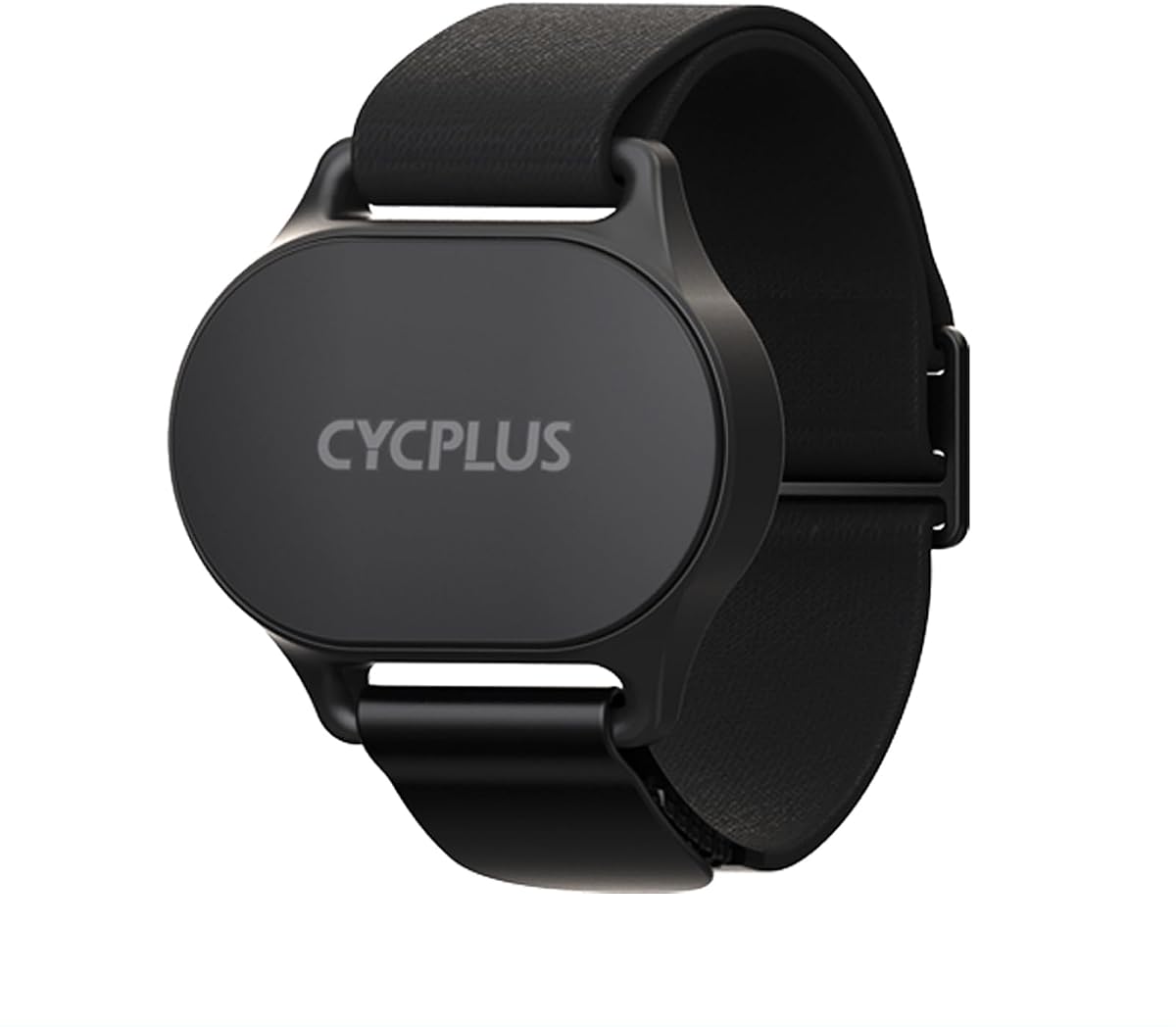
CYCPLUS Heart Rate Monitor Armband H1
3.8Editor score
Optical sensor technology
110 hour battery life
Dual mode connection
Discover the top heart rate monitor for Mtb options reviewed for accuracy, comfort, and connectivity to optimize your mountain biking training and performance.
Choosing the right heart rate monitor for Mtb ensures you track intensity accurately during rugged rides. A reliable device helps you stay in your target zone, prevent overtraining, and improve endurance without relying on wrist estimates.
We compared ten leading chest straps and armbands based on connectivity, battery life, comfort, and accuracy. Each product was evaluated for its ability to handle sweat, movement, and pairing with cycling computers or smartphones.
Every pick highlights specific strengths like water resistance, app compatibility, and strap design. Prices and availability change frequently, so check current listings before purchasing to ensure you get the best value for your needs.
3.8Editor score

4.0Editor score

4.1Editor score
This side-by-side comparison highlights the key specifications of all ten selected heart rate monitors to help you decide which model fits your mountain biking style and budget requirements.




The POWR LABS Bluetooth ANT+ Heart Rate Monitor delivers clinical accuracy at a fraction of the cost of premium brands. With a 4.0 rating from users, it stands out for its reliability during intense training sessions on the trails.
We may earn a commission when you buy through this link, at no additional cost to you.
Its 400+ hour battery life ensures you can train daily for months without recharging. The soft fabric reduces chafing, and the IPX67 rating protects against sweat and rain, making it ideal for mountain biking conditions.
While the sensor is slightly bulkier than some competitors, the stability it provides offsets this minor drawback. The replaceable battery means no charging cables are needed, which is a plus for remote riders.
Riders seeking high precision without a premium price tag should choose this model. It pairs seamlessly with Garmin, Wahoo, and Polar devices, ensuring your data is tracked accurately across all your fitness apps.
The extended battery life means you can focus on training instead of charging, saving you time and ensuring reliability during multi-day rides.
Soft fabric ensures the strap stays in place without slipping, even during rough descents or technical maneuvers on the trail.
We may earn a commission when you buy through this link, at no additional cost to you.
The Polar H10 is widely recognized for its top precision, making it the gold standard for serious athletes. Its 4.1 rating reflects consistent performance across various fitness apps and cycling computers.
We may earn a commission when you buy through this link, at no additional cost to you.
With internal memory, you can record workouts without carrying your phone or watch. The sensor is fully waterproof, allowing you to wear it for swimming or intense rides in heavy rain without worry.
The main trade-off is the price, but for accuracy enthusiasts, it is worth the investment. The strap uses a standard CR2025 battery, which is easy to replace but costs extra over time.
If you demand the most accurate data possible for your mountain biking, the H10 is the best choice. It connects to both Bluetooth and ANT+ simultaneously, giving you flexibility with your devices.
Internal memory allows you to record and sync data later, which is perfect for riders who don't carry a watch during trail rides.
Waterproof design means you can use it for cross-training activities like swimming without needing a separate device for every sport.
We may earn a commission when you buy through this link, at no additional cost to you.
The CYCPLUS H1 offers a convenient alternative to chest straps with its optical armband design. While it has a lower rating of 3.8, it remains popular for riders who prefer wrist-like comfort on their upper arm.
We may earn a commission when you buy through this link, at no additional cost to you.
Its LED indicators provide instant visual feedback on your heart rate zones, helping you adjust effort without looking at a screen. The magnetic charging ensures you don't fiddle with ports during setup.
However, optical sensors can struggle with rapid intensity changes compared to chest straps. The battery life of 110 hours is decent but requires more frequent recharging than some alternatives.
For casual riders or those on a tight budget, this is a solid entry point. It pairs with Garmin and Wahoo devices, offering basic tracking without the complexity of a chest strap setup.
LED lights change color based on your heart rate zone, allowing you to stay in control without checking your bike computer constantly.
The armband style frees your wrist, making it easier to wear gloves or handlebars without the strap interfering with your movement.
We may earn a commission when you buy through this link, at no additional cost to you.
The Garmin HRM 200 is a straightforward heart rate monitor designed for users invested in the Garmin ecosystem. With a 4.3 rating, it offers reliable performance for daily rides without unnecessary complications.
We may earn a commission when you buy through this link, at no additional cost to you.
Its 3 ATM water rating ensures it handles rain and sweat effectively. The machine-washable strap adds to its durability, making maintenance simple after a dirty trail ride.
However, it is primarily optimized for Garmin smartwatches and cycling computers, which may limit its appeal for users of other brands. The one-year battery life is a strong selling point for convenience.
If you use Garmin devices, this model provides a seamless experience. It delivers accurate data for calories and heart rate without needing frequent charging or complex setup steps.
Built to last with a high water rating, this monitor withstands the harsh conditions of mountain biking, ensuring long-term use.
Machine washability means you can throw the strap in the wash after a muddy ride, keeping it fresh without scrubbing.
We may earn a commission when you buy through this link, at no additional cost to you.
The Garmin HRM 600 stands out for its advanced metrics and internal memory capabilities. With a 4.5 rating, it is ideal for riders who want detailed analytics beyond just heart rate during training sessions.
We may earn a commission when you buy through this link, at no additional cost to you.
You can record workouts directly to the device and sync later, which is great for rides without your phone. The running dynamics feature offers insights into form, useful for cross-training or recovery days.
While the rechargeable battery is convenient, it requires planning to avoid running out of power mid-ride. The price is higher than basic models, reflecting its advanced feature set.
For Garmin users needing detailed data, this is a top tier choice. It provides accurate heart rate variability and distance tracking, helping you optimize your performance over time.
Detailed metrics like vertical oscillation help you understand your movement efficiency, providing valuable data for improving riding form.
Recording data directly to the device ensures you never lose metrics, even if your phone or watch disconnects during a ride.
We may earn a commission when you buy through this link, at no additional cost to you.
The Polar H9 is the affordable sibling to the H10, offering reliable accuracy for everyday use. With a 4.0 rating, it satisfies most users who need consistent data without premium features.
We may earn a commission when you buy through this link, at no additional cost to you.
Its design is simple but effective, working with almost any HRM-compatible equipment. The replaceable CR2025 battery ensures you can keep using it without needing specific charging cables.
However, it lacks the internal memory of the H10, so you must carry a device to record data. It is also less advanced in terms of extra metrics compared to newer Garmin models.
For riders on a budget who still want Polar quality, this is the best option. It connects easily to most apps and devices, making it a versatile choice for general fitness.
As an affordable option, it makes accurate heart rate tracking accessible to everyone without demanding a large investment in new tech.
Its universal compatibility means it works with almost any bike computer or watch, giving you freedom to choose your hardware.
We may earn a commission when you buy through this link, at no additional cost to you.
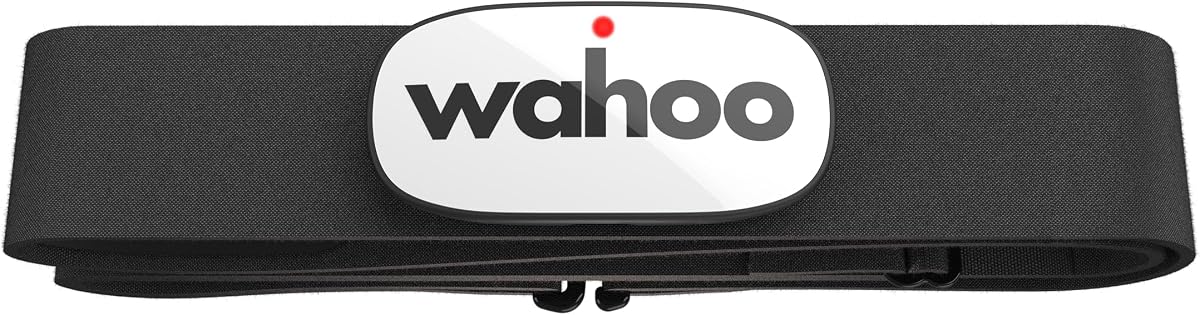
The Wahoo TRACKR provides precise performance with a high-capacity rechargeable battery. Its 4.2 rating highlights user satisfaction with its accuracy and comfortable fit during intense training sessions.
We may earn a commission when you buy through this link, at no additional cost to you.
The slim strap design ensures it stays secure without irritation, while the LED indicator confirms connection status instantly. This visual feedback helps you trust your data before starting a ride.
While the 100-hour battery life is solid, it is shorter than some alternatives. The higher cost reflects its build quality and precision, but it may not be necessary for casual riders.
Riders needing a reliable connection with Wahoo computers or apps will appreciate this choice. It syncs effortlessly, ensuring your training data is accurate and easy to analyze later.
The soft strap ensures the sensor stays in place on your chest, even during sharp turns or bumpy trails.
LED indicators provide instant confirmation of heart rate detection, giving you confidence that your workout is being tracked correctly.
We may earn a commission when you buy through this link, at no additional cost to you.
The COOSPO H6 offers professional-grade accuracy at a competitive price. With a 4.2 rating, it is popular for its ability to connect with a wide range of fitness apps and bike computers.
We may earn a commission when you buy through this link, at no additional cost to you.
Its IP67 rating handles rain and sweat, making it suitable for outdoor rides. You can pair it with Bluetooth and ANT+ simultaneously, giving you flexibility in how you track your data.
However, you must moisten the electrodes for stable data transmission, which can be tricky in dry conditions. The sensor must be positioned carefully to ensure consistent readings on the trail.
For riders who want reliable tracking without a premium price tag, this is a strong contender. It works well with Garmin and Polar devices, ensuring seamless data integration.
Compatibility with major apps means you can track your progress across different platforms without being locked into one ecosystem.
IP67 protection ensures the device withstands exposure to rain and sweat, keeping it functional in harsh weather conditions.
We may earn a commission when you buy through this link, at no additional cost to you.
The GEOID HS500 features new hardware and algorithms designed to reduce noise during exercise. With a 4.2 rating, it offers strong performance for riders who want long battery life and reliability.
We may earn a commission when you buy through this link, at no additional cost to you.
Its 800-hour battery life ensures you can train for months without replacing batteries. The LED light confirms connection and data accuracy, helping you stay focused on the trail.
While it is not recommended for swimming, its IP67 rating handles rain and sweat well. The lightweight design ensures it stays comfortable during long rides without weighing you down.
For cyclists who prioritize battery efficiency and compatibility with iOS and Android apps, this is a smart choice. It connects easily to Wahoo and Zwift, making tracking straightforward.
With 800 hours of battery, you can ride for years without needing to change a battery, reducing waste and maintenance.
New hardware avoids noise from movement, ensuring your heart rate data remains stable even during high-intensity intervals.
We may earn a commission when you buy through this link, at no additional cost to you.
The CYCPLUS H2Pro focuses on comfort and stability for daily training. With a 3.9 rating, it offers good value for riders who prioritize a lightweight and breathable strap.
We may earn a commission when you buy through this link, at no additional cost to you.
Its ECG algorithm helps reduce interference from movement, ensuring stable data. The 500-hour battery life provides ample power for weekly workouts, and HRV monitoring aids in recovery tracking.
However, the build quality is basic compared to premium brands. Users should ensure a snug fit to maintain accuracy, as loose straps can lead to inconsistent readings.
For those seeking a balance of comfort and function at a budget price, this model works well. It pairs with smartphones and bike computers, allowing you to track your progress effectively.
Soft materials allow airflow, keeping your chest cool during hot summer rides and preventing irritation from sweat.
HRV monitoring helps you understand recovery needs, allowing you to adjust training intensity based on your body's signals.
We may earn a commission when you buy through this link, at no additional cost to you.
Selecting the right heart rate monitor requires considering connectivity, battery, comfort, and accuracy. This guide explains the key factors to help you choose a device that fits your riding style.
Connectivity is crucial for ensuring your monitor pairs with your devices. Look for dual Bluetooth and ANT+ support so you can connect to multiple apps or computers simultaneously without interruption.
Always verify your bike computer or smartwatch supports the protocol before buying to avoid pairing issues.
Battery life impacts how often you need to recharge or replace cells. Rechargeable batteries are convenient, while replaceable ones offer flexibility for long rides where charging isn't possible.
Choose a battery type that aligns with your ride frequency to avoid data loss.
Chest straps generally provide higher accuracy than optical armbands due to direct skin contact. For serious training, electrocardiogram-based sensors are preferred over optical ones.
Prioritize accuracy if you rely on data for heart rate zone training.
A comfortable strap ensures you wear it consistently. Look for adjustable sizes and breathable materials to prevent chafing during long rides.
Test the fit to ensure the sensor stays against your skin throughout the ride.
Riding in rain or crossing water requires a water-resistant device. Check ratings like IP67 or ATM to ensure durability against sweat and precipitation.
Water resistance is essential for all-terrain cycling.
Advanced models offer HRV and internal memory, which are useful for detailed analysis. Decide if you need extra metrics beyond basic heart rate for your training.
More features often come with a higher price tag.
Ensure your device works with your existing ecosystem. Garmin users may benefit from Garmin-specific models, while others might prefer universal options like Polar.
Compatibility ensures seamless data sync across your devices.
Budget models offer solid performance for casual riders, while premium models offer advanced features. Evaluate your needs to avoid overspending on unnecessary technology.
Balanced pricing gives you the best value for performance.
Ensure the sensor electrodes are moistened before wearing to guarantee stable data. A small drop of water or sweat on the sensor improves conductivity.
Place the strap snugly around your chest, just below your pectoral muscles. The device should sit centered on your sternum for best readings.
Clean the strap after every ride using mild soap and water. Let it air dry completely before storing to prevent odors and extend its lifespan.
Yes, chest straps are generally more accurate because they measure electrical activity directly from the heart. Armbands use optical sensors that can be affected by movement and sweat.
Turn on the monitor and put your bike computer into pairing mode. Search for new devices and select your monitor from the list. Ensure the sensor is active for the connection to work.
Fluctuations often occur if the strap is too loose or the electrodes are dry. Moisten the sensor and adjust the fit to ensure constant skin contact for steady data.
Some models like the Polar H10 are waterproof enough for swimming. However, most budget monitors are only sweat-resistant. Check the IP rating to confirm water capabilities.
Battery life varies by model and type. Replaceable batteries can last months, while rechargeable ones may offer around 100 hours. Check the specific product specs for exact times.
Heart Rate Variability (HRV) measures the time between beats and helps track recovery. It is useful for preventing overtraining and adjusting your intensity based on fitness levels.
We have reviewed ten top heart rate monitors for Mtb, highlighting their unique strengths in accuracy, comfort, and connectivity. Whether you prioritize budget or premium features, there is a model for every rider.
When deciding, focus on compatibility with your existing devices and battery life needs. A reliable monitor helps you optimize training intensity and achieve better fitness results on the trail.
Prices and stock levels change frequently, so verify current offers before purchasing. Check the latest reviews to ensure the product meets the latest standards for your needs.